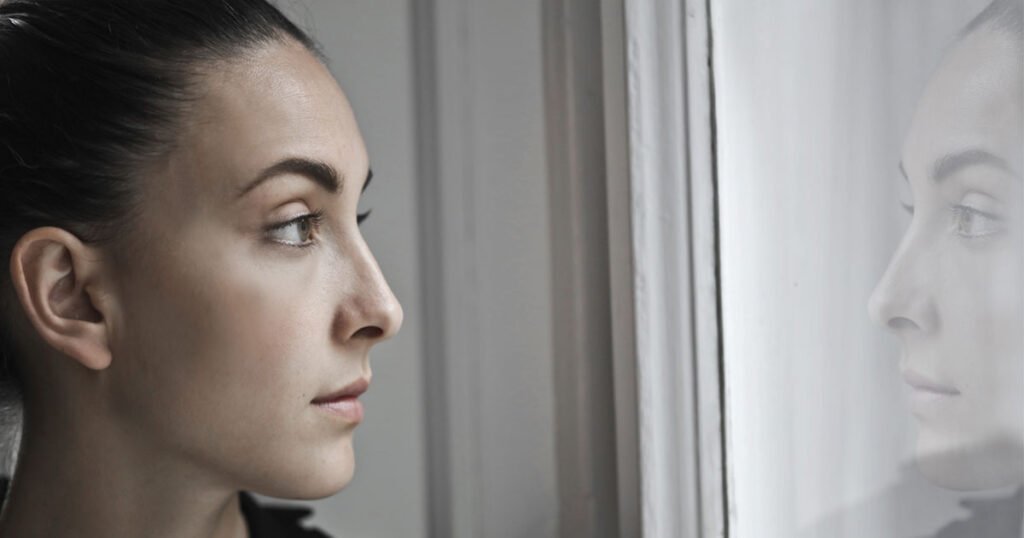

Constantly fearing formative judgments, judging oneself, constant checking out, and judgment or rejection from others can often make a day-to-day interaction seem like a daunting challenge. This is the essence of Social Anxiety Disorder (SAD), which is one of the more common but often misdiagnosed mental illnesses.
If you want to learn more about how to get a handle on it for yourself, a family member, or a child, understanding its structure is the first step towards reclaiming your life. From symptom spotting and diagnosis, through to going to the professionals for treatment and dealing with diagnosis, this detailed guide covers it all.
What is Social Anxiety Disorder?
It’s important to discuss social anxiety before trying to understand it, so let’s start with this: What does social anxiety mean and what does it mean when diagnosed as social anxiety?
Social anxiety is a healthy feeling. It happens when you’re feeling dizzy before the audience before you give your speech, before you’re walking into a room of strangers, or before you’re on your first date. Clinical social anxiety disorder (formerly called social phobia) is more than just a passing bout of nervousness, though. It is an overwhelming and persistent fear that disrupts the ability to function in everyday life, at work, in school or with family or friends.
Not everyone with SAD finds himself to be just being “shy. Instead, they experience deep, lasting anxiety about negative assessments, embarrassment, or humiliation in social or performance situations.
Social Anxiety Disorder Symptoms
The symptoms of this disorder affect emotional, behavioral and physical symptoms. Early identification of social anxiety disorder symptoms can help to pave the way for speedier intervention:
- Emotional & Behavioral: People excessively fear judgment, worry about embarrassment, avoid speaking or interacting with others, and overthink after social interactions.
- Physical: Fast breathing, sweating, shivering, upset stomach, feeling unsteady, muscles getting too tight, and becoming fuzzy in mind when speaking with others.
What is a Social Anxiety Attack?
A social anxiety attack is when social situations like speaking with others, facing strangers, or being around a crowd of people trigger intense emotions of fear or nervousness. One person might think that others are making judgments on him/her, that others are aware that something is wrong with him, so that he is quite uncomfortable.
But social anxiety attacks can result in someone’s heartbeat increasing, difficulty breathing, sensations of trembling, sweating, or needing to immediately leave a setting. Although these emotions can be quite profound, they typically improve over time and can be treated with the appropriate support resources. MAVA Behavioral Health provides secure, compassionate telehealth services, connecting you with licensed mental health professionals from the comfort of your home.
Social Anxiety Disorder Causes
This condition occurs at numerous different places. Rather, the etiological factors for social anxiety disorder tend to be a result of multiple biological and environmental factors:
- Genetics: There is a hereditary component in anxiety disorders as it is seen that they run in the families.
- Brain Structure: An exaggerated overactive response to social cues is linked to an overactive amygdala, the region responsible for the fearful response.
- Environmental Factors: things like bullying, childhood trauma, conflicts at home, and in the public eye (embarrassment) can cause the brain to be “jumped off the wrong track,” so to speak, whenever they encounter social situations.
Types of Social Anxiety
-
Generalized Social Anxiety
When generalized social anxiety is present, it is a person’s feeling of nervousness and/or fear in most social settings including conversations with people, making new friends, eating in public, etc. Often afraid to be judged and embarrassed, and avoiding socializations. This fear can impact on their life, school, work, and relationships.
-
Non-Generalized (Performance-Only) Social Anxiety
Non-generalized (performance-only) social anxiety refers to the fear and anxiety that occurs only in particular situations, e.g. speaking in front of others, providing a performance. are familiar in regular conversation and with normal social interactions. They only fear when they think someone is watching/offers them criticism.
Social Anxiety Disorder Examples
Some of the more realistic social anxiety disorder examples include:
- The Office: A staff member that quits his job because he is not promoted because the new position entails conducting weekly staff meetings.
- The Classroom: A student who knows the correct answer to a question and does not speak because his or her voice will tremble when speaking.
- Social Settings: One person cancelling plans at the last minute since trying to meet new people makes him/her “feel bad”.
Diagnosing Social Anxiety
Social anxiety disorder criteria involve mental health professionals or professionals diagnosing a person with social anxiety disorder using the social anxiety disorder criteria outlined in the Diagnostic and Statistical Manual of Mental Health Disorders (DSM-5). Important clinical signs encompass:
- Persistent anxiety or fear in one or more social situations, in which the person is subjected to possible scrutineering by others.
- Individual thinks things about them that will be judged a lack of preparedness or unacceptable behaviour will be written down.
- Almost always, situations are socializes and provoke fear or anxiety.
- Fear or anxiety is beyond the reality of the social situation.
- The avoidance or distress is distracting and impairs normal functioning.
Social Anxiety Disorder in Children
It is important to remember that children with social anxiety disorder may present differently than adults, and that symptoms and presentation vary by age. Children may not be able to verbalize their fears. Rather, they might express their worry through:
- Crying, having tantrums, or getting really cold in social situations.
- Excessive attachment to parents/caregivers.
- Avoidance of school and/or class participation.
- High levels of shyness, both to adults and to peers.
- Children need to be intervened with early, as it must not affect their learning or wellbeing.
Avoidant Personality Disorder vs. Social Anxiety
A frequent point of confusion is the overlap between avoidant personality disorder vs social anxiety. While they share similarities regarding social avoidance, they differ in scope:
| Feature | Social Anxiety Disorder (SAD) | Avoidant Personality Disorder (AVPD) |
| Core Concept | A situation-based anxiety focused on performance and judgment. | A deeply ingrained personality style focused on global inadequacy. |
| Self-Image | May recognize that the anxiety is irrational or out of proportion. | Pervasive belief that they are inherently flawed and unlikable. |
| Scope | Often limited to specific social or performance contexts. | Dictates all aspects of identity, relationships, and life choices. |
How Do You Overcome Social Anxiety Disorder?
If you are wondering how do you overcome social anxiety disorder, the answer lies in a blend of conscious lifestyle shifts and evidence-based psychological strategies:
Cognitive Reframing: Catch your negative thoughts I look like a freak and challenge yourself with healthier, more realistic versions—”Everyone’s mostly worrying about themselves, not me.” – or take small steps and look for other opportunities to try it.
Graduated Exposure: Challenge your anxieties bit by bit. Start with a little interaction, making a few moments’ worth of eye contact with your cashier, before you’re able to face much bigger anxieties like participating in group discussions. Mindfulness and Grounding: When your brain begins to spiral, try to notice things around you or focus on the feeling of your breath to help yourself reorient and avoid panic.
Professional Social Anxiety Disorder Treatment
This helps reduce the overall level of anxiety and allows people with social anxiety disorder a more controlled environment where they can get into a treatment routine. Medication management includes evaluation, monitoring, and adjustments by licensed psychiatric providers to support your mental wellness.
Long-term anxiety and social anxiety treatment. Professional treatment is extremely successful for long-term social anxiety recovery. In many circles, CBT (Cognitive Behavioral Therapy) is still regarded as top-tier treatment and is quite effective at helping people with social anxiety.
With this kind of treatment, they are trained to avoid thought distortions and the avoidance behavioral patterns as they progress in a controlled, structured fashion to exposure treatment.
Social Anxiety Disorder Medication
In many cases, therapy is most effective in conjunction with a medication for social anxiety disorder. Many medications can reduce more debilitating physical or psychological symptoms so you’re able to participate fully in therapy.
- Popular classes include selective serotonin reuptake inhibitors (SSRIs)
- Daily, long-term medications (e.g., sertraline, paroxetine) that rebalance brain chemicals.
- Beta-blockers: Taken as-needed for an event (e.g., to calm jitters before giving a speech) to prevent physical signs of anxiety.
End Note
Social anxiety disorder can make everyday life difficult, but it is a treatable condition. Understanding its symptoms, causes, and different types is the first step toward getting the right help. Many people improve with a combination of therapy, lifestyle changes, and medication prescribed by a qualified healthcare professional. Treatment can reduce anxiety, build confidence, and make social situations easier to manage over time.
At MAVA Behavioral Health, we are committed to providing compassionate, personalized care to help individuals overcome social anxiety and improve their quality of life. Our experienced team offers evidence-based treatment plans, including therapy and medication management, tailored to each person’s needs. With the right support and consistent care, recovery is possible, and a happier, more connected life can become a reality.
FAQs
What triggers social anxiety?
Triggers vary by individual but commonly include public speaking, meeting new people, being watched while doing something, making small talk, eating or drinking in front of others, and voice or video calls.
Can social anxiety go away on its own?
While some individuals find their anxiety lessens with age or life changes, clinical social anxiety disorder rarely resolves completely without intentional strategies or professional intervention.
Is social anxiety a form of autism?
No. Social anxiety disorder is an anxiety-based condition rooted in the fear of negative evaluation. Autism Spectrum Disorder (ASD) is a developmental condition involving differences in social communication, sensory processing, and behavioral patterns. However, an individual can have both conditions simultaneously.