

It refers to an inability to experience pleasure or interest in doing things one usually finds enjoyable. One could still engage in their hobbies; hang out with friends; eat foods they love; listen to music; and achieve personal goals but find everything devoid of any sense of joy.
When asking “What is anhedonia in mental health?”, consider anhedonia as a decreased capacity to experience pleasure, reward, interest, or emotion. This condition affects not only one’s moods but also relationships, motivation, professional life, and even everyday activities.
This type of mental illness may accompany various mental disorders, including depression, anxiety disorders, trauma-related disorders, addiction, schizophrenia spectrum disorders, and more.
Physical health conditions, chronic stress, sleep issues, and even certain medication can be contributing factors for the development of anhedonia. Knowing what one feels at MAVA Behavioural Health will be your next step towards getting proper treatment.
Anhedonia Symptoms and Signs
The symptoms and signs of anhedonia may vary in everyone. You might experience changes in your emotional state, social behavior, motivation, or reaction to enjoyable activities. There could be one or more such symptoms present.
- Loss of enjoyment in favorite activities
- Loss of interest in your hobbies
- Emotional numbness or emptiness
- Loss of enthusiasm for good things that happen
- Difficulty feeling close to your family and friends
- Avoidance of social events
- Loss of motivation
- Loss of connection when experiencing enjoyable situations
- Loss of interest in your personal goals
- Feeling that nothing is satisfying you anymore
What Is Anhedonia example?
For example, suppose that you always look forward to going out for dinner with your friends. Even though you go, laugh at their jokes, and converse, you do not experience much pleasure. Then after you get back home, you might ask yourself, “I know that I generally feel pleasure when doing this, but now I do not.
In addition, you may see that things once pleasant to you are now routine and emotionless.
When interacting with people you are close to, you cannot share the same bond. This situation could be indicative of social anhedonia.
Anhedonia Causes
Anhedonia has no definitive cause. Multiple factors can influence your reward, motivation, and emotion circuitry in the brain.
Mental Health Disorders
Depression is one of the most common disorders associated with it. Other conditions such as anxiety, post-traumatic stress disorder, bipolar disorder, schizophrenia spectrum, and many other mental health issues could lead to diminished pleasure and disinterest in things.
Stress and Trauma
Chronic stress can make you emotionally drained. Following chronic stress or trauma, something that once brought you pleasure could cease being a source of joy for you. With anhedonia, MAVA Behavioral Health offers convenient telehealth services to help you access professional mental health support from the comfort of your home.
Sleep and Lifestyle Issues
Sleep problems, burnout, loneliness, inactivity, and stress could be the reason behind decreased motivation and flattening of emotions.
Drug Abuse
Substances such as alcohol can alter your brain reward system. In the period following your withdrawal from or cessation of drugs, pleasure might be briefly inhibited.
Medications and Physical Health
Medications or medical conditions can contribute to the occurrence of mood swings, loss of motivation, or pleasure. In case one experiences anhedonia while taking any medication, then the issue should be brought to the attention of the doctor instead of the patient discontinuing the use of the medication.
The doctor will then be able to assess the cause of the problem by reviewing the symptoms experienced, the medication that the patient is using, the dose, and other health issues. The patient should note the time when the symptoms started and how they vary during the day.
Anhedonia vs Depression: Are They the Same?
The difference between anhedonia and depression is very important. It is one of the symptoms or experiences, whereas depression is a disorder of the mind that has various symptoms. It is possible to have it and not depression, as depression has multiple symptoms.
Symptoms of depression could be:
- Sadness or emptiness
- Loss of pleasure
- Sleep disturbances
- Appetite disturbances
- Lack of energy
- Concentration problems
- Guilt or worthlessness
- Thoughts of death or suicide
Severe Anhedonia
An extreme level of it may impact all aspects of life. There will be loss of enjoyment in everything from socialisation, hobbies, intimate activities, work, eating, exercising, and even prospects.
When one reaches a state where it becomes serious, do not just think that “you just try harder”. If there is any change in enjoyment or motivation, then seek professional help.
Anhedonia Test: How Is It Evaluated?
There is no test which will be able to diagnose all causes of it. A psychologist or psychiatrist will take the account of your mood, interests, relationships, sleep, appetite, motivation, drug usage, medication, and other factors from you. An anhedonia test or questionnaire can help measure the degree to which the person experiences the loss of pleasure or interest, but it does not substitute for a professional evaluation.
At the same time, a person can make a record of all his or her activities, the interest he or she has prior to each activity, the pleasure obtained from the activity itself, and after-effects. Recording one’s sleeping pattern, energy level, motivation, and mood in general can help a lot as well.
How to Fix Anhedonia
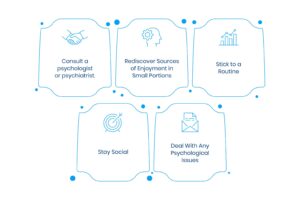
If you’re unsure about how to treat it, begin with figuring out the root cause rather than addressing it itself.
1. Consult a psychologist or psychiatrist
They will evaluate your symptoms and identify the possible causes such as depression, anxiety, trauma, substance abuse problems, medications or other factors.
2. Rediscover Sources of Enjoyment in Small Portions
Don’t wait till you get motivated before taking some actions that bring you joy. Do something enjoyable take a little walk, listen to your favourite music, cook a nice meal, or just sit outside for some time.
3. Stick to a Routine
Consistent sleep, eating, exercise, work, relaxation, and social interaction can bring stability when you lack motivation. According to WebMD, anhedonia refers to a reduced ability to feel pleasure or enjoy activities that once felt rewarding.
4. Stay Social
Solitude can aggravate feelings of numbness. You don’t have to join groups. Even a brief chat, phone call, or activity with a trusted person is a good beginning.
5. Deal With Any Psychological Issues
If depression, past traumatic experiences, anxiety, drug abuse, or some other issue causes the problem, treatment of that issue could alleviate it.
How to Treat Anhedonia
There is not a single anhedonia treatment, as it is dependent on the cause and your needs. Therapy, lifestyle changes, medical or mental health treatment if applicable, and medicine may be used as treatment.
Therapy
Psychotherapy can assist an individual in comprehending patterns that impact their psychological wellbeing, motivation, connections, and actions. Cognitive behavioral therapy (CBT) can be used to identify and change patterns in your thinking that are negatively affecting you and will slowly reintroduce you to activities that you find meaningful.
Medication for Anhedonia
There are no catch-all drugs for it. Anhedonia, which is actually a sign of depression or another mental health condition, may lead to the recommendation for medication. The decision on the right medication management depends on the symptoms, medical history, how the patient is currently being treated, potential side effects, and treatment objectives.
Your healthcare provider also may want to find out if your loss of pleasure and motivation is related to sleep difficulties, anxiety and stress, or other factors. In a few instances, therapy and healthy lifestyle methods can accompany medicine to aid healing. Communicate any mood, energy, motivation or ability changes to your healthcare professional.
Anhedonia and Retatrutide
Patients seeking “anhedonia retatrutide” might link anhedonia to the investigational drug primarily studied for metabolic and weight-related conditions. Retatrutide cannot treat it, as it causes a loss of pleasure or decreased motivation.
Discuss with a qualified health care professional if you experience a change in mood, appetite, motivation or pleasure while taking any medication. Your doctor can go through the signs, sickness history, prescription medicines you are taking, and your treatment objectives and review the possibility of connections.
It is even possible to mention when you started to feel it and if drug use makes any kind of distinction in your symptoms.
How to Deal with Anhedonia in Daily Life
You will need to take baby steps and be patient when learning how to cope with it. Emotional changes may not be immediate; don’t expect to feel like yourself after the operation. Maintain a regular bedtime and establish a regular schedule – even a small walk! Get outdoors and engage with positive people or friends.
Avoid overuse of alcohol, drugs or other recreational substances which may influence one’s mood and/or motivation. Reintroduce formerly enjoyed hobbies / activities slowly, also if they feel at first non-rewarding. Formulate realistic small daily aims, for example, recording mood/energy status and changes in enjoyment of various activities. Other stress management strategies (deep breathing, mindfulness, relaxation, and quiet time) may also be beneficial.
How to Overcome Anhedonia
If you’re wondering how to get over manic depression, know that it can take time to improve. It is not necessary for you to make yourself “feel happy. Rather, provide opportunities for connection, activity, meaning and healthy practices, while addressing the underlying cause.
One thing you can do is to start by picking a day’s activity that you used to care about. If something doesn’t seem fun, try to see how interested you are before and after. These observations can help you identify not only the big changes, but also the little ones.
How to Get Rid of Anhedonia
There’s no foolproof shortcut to how to act against it. Depending on the reason for its occurrence, one can use it effectively. When symptoms persist for several weeks, they interfere with functioning or worsen throughout the month; discuss it with a mental health care provider.
If you seek support early, you can get an understanding of why this happened and determine if you need to speak to a specialist about an appropriate treatment plan.
Final Thoughts
You don’t have to experience it by yourself because it makes life not as pleasant as you would like it to be, or as rewarding as you would expect. If you recognise the signs, understand what causes them and seek the right kind of support, you will be able to take positive steps toward improving your condition. If you’re interested in overcoming, treating or getting rid of anhedonia, take your time with the journey, one step at a time.
If you’re at MAVA Behavioral Health, you can discover your professional mental wellness resources and know far more about fitting treatment method choices. If it has become a persistent problem that is interfering with your life, you should seek advice from a mental health counsellor.
FAQS
1. What is anhedonia?
It is an aversion to or loss of interest in activities that one once loved. People can experience it alongside depression and other mental health issues.
2. What are the main anhedonia symptoms?
Typical signs are a lack of emotional sensitivity, diminished sexual drive, loss of interest, lack of enthusiasm, social isolation and apathy toward pleasurable activities.
3.Are anhedonia and depression synonymous with them?
You’re wrong. It is a symptom or an emotion; depression is an all-around mental health disorder. It is one of the symptoms of depression, but it doesn’t necessarily indicate that you’re depressed.
4. Can it go away?
Improvement is possible, yes, indeed. Recovery is based on the underlying cause, the severity of the symptoms, treatment, lifestyle factors and individual circumstances.y
5. What is the treatment of it?
Treatment concentrates on the cause of the problem. Treatment options are psychotherapy, lifestyle changes, medications, or a combination of these.