Did you ever experience a racing heart when you had to deliver an important speech? Have you ever experienced nervousness before socializing with people you didn’t know, or do you find it tough to keep your calm in stressful situations? Then maybe you suffered from situational anxiety.
Sometimes, it is quite common to suffer from anxiety at certain instances where you encounter unfamiliar, hard, and frightening situations. Though sometimes it is okay to experience situational anxiety, extreme cases of anxiety in certain situations might affect your self-esteem, socialization, and routine activities.
Here at MAVA Behavioral Health, we know well how difficult it can be to cope with anxiety. By having an insight into situational anxiety, its signs, and treatment approaches, you can help yourself manage the situation better. Let’s learn more about situational anxiety, its causes, examples, and coping mechanisms in this article.
What Is Situational Anxiety?
Situation anxiety can be described as feelings of fear, nervousness, or anxiety in response to situations. You might feel nervous when waiting for your job interview, giving a speech in front of people, or travelling. Explore telehealth services for situational anxiety with convenient online support, professional guidance, and personalized strategies for managing anxiety.
Whereas general anxiety tends to exist in multiple life spheres, situational anxiety has an identifiable cause or trigger. You may be relatively relaxed throughout your day but experience extreme nervousness whenever you encounter a certain situation. For instance, you may be fine when having a conversation with your friends but be highly anxious when addressing a big crowd.
As situational anxiety can manifest itself in one’s thoughts, feelings, and physical state, it is important to note that having an anxiety experience in a specific situation does not necessarily indicate the presence of an anxiety disorder.
What Causes Situational Anxiety?
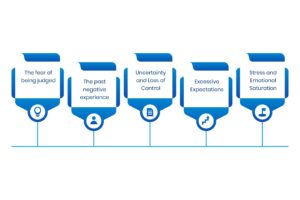
Situational anxiety is caused by several factors. Knowing why you experience anxiety might make it easier for you to cope with your symptoms.
Typical causes include:
1. The fear of being judged
You may be concerned about the opinions of other people regarding you, particularly in cases when you must communicate with others, give a presentation, or attend an interview. The fear of failure might aggravate anxious symptoms.
2. The past negative experience
Experience can affect your reaction to the situation. For instance, a stressful presentation can lead to increased anxiety before the next time you are going to speak in front of an audience.
3. Uncertainty and Loss of Control
Unknown situations can easily cause stress because you can become anxious when you cannot be certain about outcomes or control them.
4. Excessive Expectations
Perfectionism can cause situational anxiety. The stress from academic obligations, job duties, and personal expectations causes this.
5. Stress and Emotional Saturation
If someone is already feeling saturated emotionally, even a minor problem may spark anxiety.
Situational Anxiety Symptoms: What Should You Look For?
The situational anxiety symptoms can impact your body, mind, and actions. There are different signs that occur in the process of stress due to the particular situation.
Physical Symptoms
Among the common ones there are
- Fast heartbeat
- Sweating
- Trembling or shaking
- Muscle tension
- Dizziness
- Shortness of breath
- Stomach problems or nausea
- Dry mouth
Emotional and Psychological Symptoms
Situational anxiety can result in the following:
- Extreme concern for some special occasion
- Fear of mistakes
- Inability to concentrate
- Fast thoughts
- Overshadowing feelings
- Irritability
- Intense desire to leave
Behavioral Symptoms
Also, you can observe:
- Evading certain events
- Cancelling plans due to anxiety
- Putting off some activities
- Looking for constant reassurance
- Having trouble participating in situations
Situational Anxiety Examples in Everyday Life
Situational anxiety can appear in many different circumstances. Here are some common situational anxiety examples:
| Situation | Possible Anxiety Response |
| Job interview | Fear of giving the wrong answer or making a poor impression |
| Public speaking | Shaking, sweating, or worrying about forgetting your speech |
| Medical appointment | Fear of receiving unexpected news |
| Driving in heavy traffic | Increased heart rate and feelings of panic |
| First date | Worry about awkward conversations or rejection. |
| Taking an important exam | Difficulty concentrating because of performance pressure |
| Air travel | Fear of flying or concerns about safety |
| Meeting new people | Nervousness about starting conversations |
Experiencing occasional anxiety in these situations does not necessarily indicate a mental health disorder. However, persistent or severe symptoms may require further evaluation.
Situational Performance Anxiety: Why Does It Happen?
Situational performance anxiety is described as when you feel extremely anxious about performing in an activity that involves other people who can judge your performance. Performance anxiety can happen during presentations at work, during musical or sport performances, while taking examinations at school or university, during public speaking events, or in job interviews.
It usually means fear of failure or disappointment in yourself. For instance, you may be fully prepared for your presentation but will not be able to present your knowledge properly because of your anxiety. Prepare for the situation beforehand, set reasonable expectations, practice relaxation techniques, and gradually adapt to difficult situations.
Situational Social Anxiety: How Is It Different?
Specific situations of social anxiety include those instances where you experience feelings of nervousness, fear, or uneasiness in certain situations in society. You could be afraid of meeting people who you have never met before, speaking in public, attending a social gathering, eating in the presence of other people, talking to a person in an authoritative position, and even giving an opinion in a social context.
For instance, you might love hanging out with your close friends but have trouble being around a new group of people whom you must introduce yourself to. Situational social anxiety may occur in combination with social anxiety disorder but are not the same thing.
Situational Anxiety Disorder: Is It a Recognized Condition?
A lot of individuals seek out information on situational anxiety disorders when they suffer from anxiety during certain situations. According to Verywell Mind, situational anxiety is a temporary response to stressful or challenging situations that typically eases once the situation passes.
Situational anxiety is not normally a diagnosis but more a descriptive term used in the Diagnostic and Statistical Manual of Mental Disorders (DSM-5-TR).
Is Situational Anxiety a Diagnosis?
Is situational anxiety a disorder? It is not, in most instances. Most professionals in the field of mental health use the term in reference to anxiety that arises from situations. Your symptoms may suggest different disorders, including specific phobia, social anxiety disorder, panic disorder, generalized anxiety disorder, or even adjustment disorder with anxiety.
On other occasions, your symptoms may simply represent a stress response, which is normal for everyone. When assessing your symptoms, a mental health professional will assess your symptoms, background, and the effects of anxiety on your life.
How to Deal With Situational Anxiety
Knowing how to manage situational anxiety could make you better prepared and in control when stress comes your way.
Below is a list of ways you can try.
1. Find Out What Causes Your Anxiety
Note when your anxiety occurs. Ask yourself the following questions:
- What caused my anxiety?
- What were the thoughts that occurred?
- What were the physical feelings I experienced?
- What made me relax?
Writing an anxiety diary could make you spot a pattern.
2. Practice Deep Breathing
Deep breathing could make you less physically tense and more relaxed.
Here’s an easy technique to try:
- Here’s an easy technique to try:
- Breathe in slowly through your nose.
- Breathe out slowly.
- Do the steps above for a few minutes.
3. Counter Anxious Thinking
Anxiety tends to produce negative forecasts that include:
- I will surely fail.
- Everybody is going to criticize me
- I won’t be able to cope with this.
You might want to replace these thoughts with the following alternatives:
I might be worried, but I’m able to do my best
4. Get Ready for Stressful Events
Preparation could make you more confident.
You can do it by:
- Rehearsing your conversations.
- Getting ready your presentation.
- Come earlier for appointments.
- Becoming familiar with unknown circumstances before.
- Scheduling reasonable expectations.
5. Deal With Your Triggers Slowly and Gradually
Even though avoiding such stressful environments will offer you some temporary reprieve, it might serve to reinforce the phobia that is developing within you. Given proper guidance, tackling such environments slowly will help you gain self-confidence and lower your stress levels.
6. Seek Professional Assistance
If your stress is becoming a problem in both your professional and personal life, you need to see a psychologist. You can get specialized counseling services at MAVA Behavioral Health in order to analyze your anxiety and find solutions.
Situational Anxiety Treatment Options
The severity of your symptoms, triggers, and how anxiety affects your daily activities will determine the treatment for situational anxiety.
1. Cognitive Behavioral Therapy
CBT can help you identify dysfunctional patterns of thinking and develop better strategies to cope with stress. Your therapist can also provide you with various techniques to relax, cope with stress and techniques of exposure.
2. Exposure Therapy
Exposure therapies help you gradually and effectively overcome anxiety-provoking situations. This form of therapy will be helpful in case your fear is restricting you in some way.
3. Mindfulness and Relaxation Techniques
Mindfulness techniques, breathing, and muscle relaxation can help you cope with stress and relieve tension.
4. Lifestyle Changes
There are some daily activities that could be helpful for improving your emotional state. They could positively affect your mental state but will not be able to replace professional therapy in case you require it.
Take into consideration:
- Maintaining regular sleeping hours
- Regular exercise
- Limiting excessive consumption of caffeine
- Balance nutrition
- Socialization
- Stress management
Situational Anxiety Medication What Are Your Options?
The search for ‘situational anxiety medication’ or ‘situational anxiety drugs’ often comes up in times when one experiences severe anxiety in specific circumstances.
In some instances, it is wise to use medications; however, the right kind of medication will vary based on your symptoms, past health conditions, and the goals of the treatment. The health care professional may prescribe for you any of these medications:
- Beta blockers: The medication management can help reduce some of the physical symptoms that are related to performance anxiety, such as fast heartbeat or trembling. This medication is not for everyone.
- Antidepressants: The medication is helpful in the management of anxiety disorders, especially if you are experiencing recurring symptoms.
- Other anti-anxiety drugs: Sometimes your doctor will tell you more medications.
The medications can have side effects, interact with other medications, and cause dependence as well. You should never use an anxiolytic without first consulting a doctor.
When Should You Seek Help for Situational Anxiety?
A mental health expert can guide you regarding symptoms and treatment options. It is natural to feel some anxiety. But it would be best to see an expert if you:
- Felt intense anxiety in certain situations.
- Avoid personal and professional tasks.
- Cannot handle symptoms on your own.
- Feel panic-like symptoms often.
- Notice that anxiety has impacted your personal life or relationships.
Take the Next Step Toward Managing Anxiety
It may be difficult to cope with everyday problems under situational anxiety, but you don’t have to face these issues alone. Knowing your triggers, using proper coping techniques, and even having professional help in case it’s needed allows you to start working on overcoming anxiety and making your life better.
MAVA Behavioral Health can assist you on the way to becoming healthy mentally. Learn more about possibilities for behavioral health treatment that suit you.
FAQs
Can situational anxiety be considered an anxiety disorder?
No, it is not necessarily true that situational anxiety leads to an anxiety disorder. It might cause long-term suffering or avoidance in case it happens too often, it is highly severe, or it remains untreated. Professional help might be beneficial for you to manage your situational anxiety.
How do I cope with situational anxiety in a natural way?
One can practice deep breathing, mindfulness, and exercise; get sufficient rest; prepare adequately for anxiety-inducing situations; and gradually face them. But if it keeps interfering with one’s life, professional consultation should be sought.
Are there medications for situational anxiety?
Yes, health care professionals are able to prescribe certain medications to help with anxiety or accompanying symptoms. Beta-blockers are prescribed for certain physical effects of performance anxiety.
When will treatment for situational anxiety be required?
Seek treatment for your anxiety when it starts affecting your ability to function, personal relationships, work, studies, or other aspects of your life. Mental health professionals are able to help you decide on the proper treatment for you.
How can MAVA Behavioral Health help me with my anxiety?
MAVA Behavioral Health is able to help you investigate possible mental health care options and provide you with more information about anxiety.