Being a mom means joy, love, and more responsibilities. However, being a new mother might be accompanied by fear, anxiety, and psychological problems. Sometimes a woman faces a sudden onset of an intense feeling of fear, a rapid heartbeat, breathing difficulties, or the sensation that something bad will happen. Such experiences might be a sign of postpartum panic disorder, which makes even usual daily activities and baby care difficult.
This mental problem can appear along with postpartum panic, lack of sleep, hormonal imbalance, and other psychological issues. Despite such symptoms being frightening, they can be treated professionally and successfully.
In the context of MAVA Behavioral Health, knowledge about postpartum disorders and their treatment becomes crucial. This guide focuses on the problem of postpartum panic disorder, its symptoms, causes, treatments, and management techniques.
What Is Postpartum Panic Disorder?
Postpartum panic disorder is the term used for panic attacks or panic symptoms that arise following childbirth. Panic attacks are characterized by the presence of a period of sudden onset of overwhelming fear and distress. Panic attacks may be experienced with physical manifestations, such as palpitations, dizziness, shaking, and difficulty breathing.
Panic attacks may manifest in conjunction with postpartum anxiety or other psychiatric disorders. Recurrent attacks and ongoing fear of future attacks are indications for diagnosis of panic disorder, according to a health care provider. Mothers without a prior history of anxiety are at risk of postpartum panic. Experience of panic attacks and other forms of anxiety is another risk factor.
Postpartum Panic Attack Symptoms What to Look For
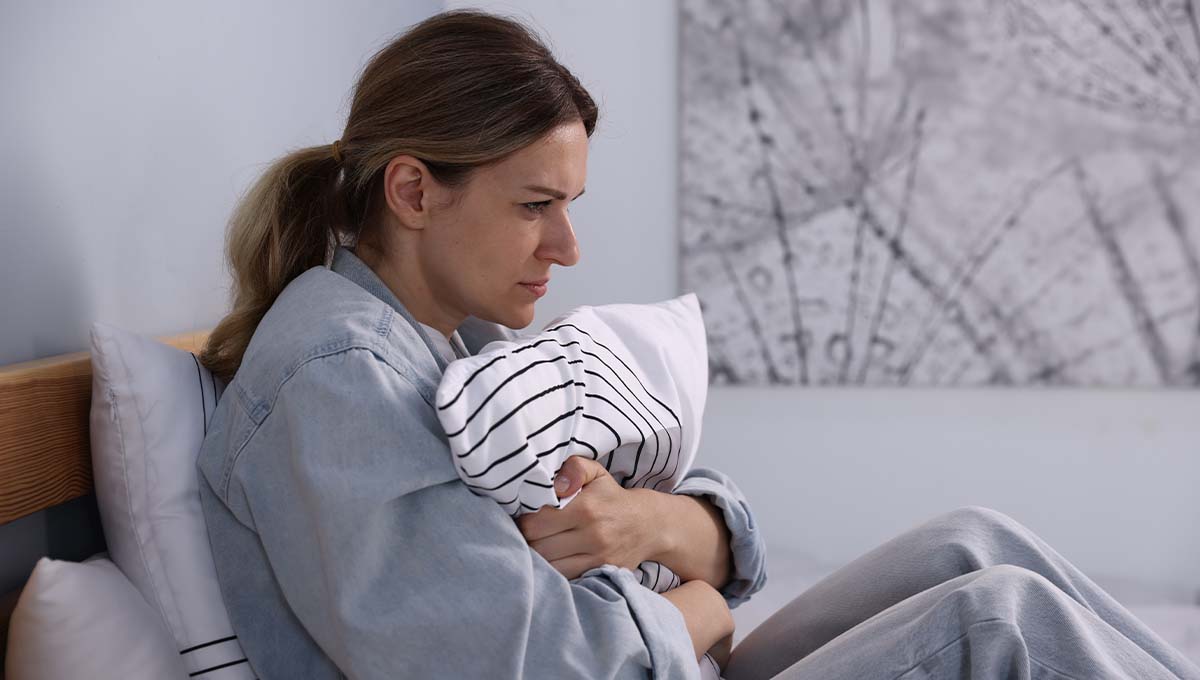
Panic attack symptoms occurring post-delivery may occur suddenly and make the woman feel like it is a major medical crisis. The symptoms tend to reach their peak within minutes, but post-panic exhaustion may persist.
Some of the symptoms of a postpartum panic attack are:
- Accelerated heart rate or palpitations
- Difficulty breathing or feeling of being choked
- Chest pain or chest discomfort
- Sweating, shaking or trembling
- Dizziness, lightheadedness or nausea
- Fear of losing control
- Extreme fear of dying or having a medical crisis
- Feeling out of touch with reality
- Sudden fear for one’s life and the baby’s life
What Causes Postpartum Panic Attacks?
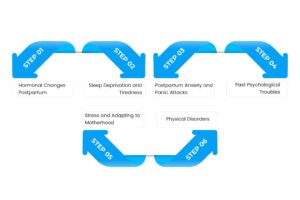
Identifying the factors behind the development of postpartum panic attacks will allow mothers to identify possible triggers and find the right support for themselves. There is no one-size-fits-all explanation for these events. Multiple physical, psychological, and environmental triggers may play a role.
1. Hormonal Changes Postpartum
The hormonal changes that occur after giving birth are considerable. The fluctuations in hormone levels may influence emotions, sleep patterns, and emotional regulation abilities. Hormones do not have a direct effect on anxiety; nevertheless, they can be part of the cause.
2. Sleep Deprivation and Tiredness
Nighttime feedings, caring for the newborn and sleep interruptions can raise stress levels, thus making anxiety harder to handle. Tiredness can also increase the intensity of physical symptoms that mimic those of panic attacks.
3. Postpartum Anxiety and Panic Attacks
There is often an overlap between postpartum anxiety and panic attacks. Constant anxiety about feeding, sleeping, health or the safety of the baby can keep the body in a state of readiness. Sometimes, this constant state of anxiety can trigger episodes of overwhelming fear.
4. Past Psychological Troubles
The history of experiencing panic attacks, anxiety, depression or trauma can put you at risk of postpartum panic attacks. Yet postpartum panic attacks can occur even without prior psychological diagnosis.
5. Stress and Adapting to Motherhood
Recovering from childbirth, relationship changes, financial stress, and caregiving duties can lead to high levels of stress. An unpleasant birth experience or lack of help can contribute to stress.
6. Physical Disorders
Conditions such as thyroid issues, anaemia, and medications, among others, can sometimes produce symptoms like anxiety and panic attacks. It is always wise to consult a physician to identify any physical conditions before choosing an appropriate treatment method.
6 weeks postpartum panic attacks: Is This Normal?
It can be frustrating to experience 6 weeks of postpartum panic attacks at a time when recovery is going well. But postpartum anxiety and panic attacks don’t necessarily start right after the delivery. Within 6 weeks postpartum, women might still experience disruptions in their sleep patterns, hormone changes, physical healing, and adjustments in their routine, which can cause anxiety or panic attacks.
Sometimes, some amount of worry can take place as mothers adjust to being a mother, but repeated panic attacks, fear, and inability to perform daily tasks should be brought to the notice of a health care professional. If there are panic attacks, fear, or any other problem that hinders sleep and makes one fearful about taking care of the baby, one should consult a health care provider immediately. Postpartum checkups happen after 6 weeks postpartum, which is the time when one should talk about emotional symptoms.
Postpartum Panic Attacks at Night: Why Do They Happen?
Nighttime panic attacks are especially hard to cope with due to the quietness of the surrounding environment, lack of support, and the tiredness which prevents handling physical symptoms.
The reasons why people panic at night are numerous:
- Insomnia: Lack of sleep makes people become more emotionally sensitive and stressed.
- Predictive anxiety: The fear of having feeding or sleeping problems can cause predictive anxiety.
- Physical sensations: Rapid heartbeat, breath changes, and sudden awakening can worsen the situation with anxiety.
- Less distractions: Lack of noise makes anxious thoughts stronger.
To cope with the panic at night, you should sit in a comfortable position, breathe slowly without making any attempts to breathe deeply, and name some objects from the room. It is highly advised to keep your phone close and arrange someone who will help to take care of the baby at night.
If you suffer from nighttime attacks, they disturb your sleep, or you are scared to fall asleep, contact specialists.
Postpartum Anxiety and Panic Attacks: Understanding the Difference
Postpartum anxiety and panic attacks can occur together, but the experiences are not identical.
| Postpartum anxiety | Panic attacks |
| Often involves ongoing worry or apprehension | Often involves a sudden surge of intense fear |
| May centre on feeding, health, sleep, or infant safety. | May involve fear of dying, losing control, or experiencing a medical emergency |
| Can persist throughout the day | Often peaks within minutes |
| May involve restlessness, tension, and difficulty sleeping | May involve a racing heart, shaking, dizziness, and shortness of breath. |
Anxiety can build gradually, while a panic attack often feels sudden and overwhelming. However, symptoms can overlap, and a professional assessment can help clarify the cause.
Postpartum Panic Attack Treatment What Helps?
The treatment for postpartum panic attacks will depend upon the intensity of symptoms, any medical history, individual preferences, and other mental disorders. A mix of therapy, support and medications can be helpful to control the symptoms.
1. Cognitive Behavioral Therapy (CBT)
Cognitive behavioral therapy is helpful in recognizing unhealthy thoughts and developing healthy responses to fear. CBT will also be helpful to the mothers in understanding panic triggers, preventing catastrophic thinking and feeling confident in their physical responses.
A licensed mental health expert will customize the therapy for the postpartum women, specifically for their fears regarding infants and panic attacks.
2. Postpartum Anxiety Medications
Postpartum anxiety drugs are beneficial when the symptoms are persistent, severe, or not responding to therapy. It will be up to the healthcare provider to prescribe medication based on various criteria, such as diagnosis, symptoms, breastfeeding, and individual medical issues.
Selective Serotonin Reuptake Inhibitors (SSRIs), along with other medications prescribed for anxiety disorders in certain cases, may prove to be useful. There are some drugs that affect after a few weeks.
3. Sleep and Support
Support related to sleep issues can be important for the postpartum recovery process. It is possible to distribute nighttime duties between you and another person who can help, ask someone to assist with chores at home, and try to get some rest.
While the changes in sleeping cannot substitute professional treatment if it is required, a reduction in exhaustion can help relieve stress.
4. Breathing and Grounding Techniques
As panic attacks occur, it is important to place both feet on the ground and attempt to slow down breathing. Do not force an overly deep breath, as this could increase sensations of lightheadedness in some individuals.
Grounding techniques include counting how many things one can see, touch, and hear: five things to see, four things to touch, and three things to hear.
5. Professional Mental Health Services
Professional services will help determine whether the individual is experiencing panic disorders, postpartum anxiety, depression, or another condition that might be contributing to the symptoms experienced. The MAVA Behavioral Health clinic can help to provide some reference for behavioral health assistance and treatment options.
When choosing the right clinician for your needs, pick an experienced specialist in perinatal mental health. Early intervention will help avoid any further disruptions in the quality of life.
How to Manage a Panic Attack Postpartum
A panic attack following childbirth can be scary, but just a few measures can assist in decreasing your anxiety while the episode persists.
- 1. Stop and assume a safe position. Sit down in case you are feeling dizzy or weak.
- 2. Label your experience. Recalling that your symptoms are caused by panic and are still open to medical evaluation if new and disturbing symptoms occur.
- 3. Breathe easily. Strive for a relaxed breathing pattern.
- 4. Limit demands on yourself. If you can, delegate baby-care tasks to another adult until the panic subsides.
- 5. Document any patterns. Document potential causes, times, sleeping patterns, and other symptoms for further discussion with your healthcare provider.
- 6. See your healthcare provider. It is necessary in case of repeated panic attacks, anxiety symptoms, and worsening of your condition.
When Should You Seek Immediate Help?
It is important to seek urgent attention in case one exhibits signs of mental well-being after childbirth. Seek emergency medical attention if one experiences chest pain, breathing difficulties, fainting, or other symptoms that may pose a potential risk to life.
Seek urgent help in case of suicidal thoughts, thoughts of harming the child, severe confusion, hallucinations, or lack of touch with reality. In case there is any immediate risk, one should dial emergency numbers and seek help from a trusted person who can be with you and take care of your baby.
Frightening or intrusive thoughts do not necessarily mean that one will carry out actions. However, these thoughts, together with intent and plan, confusion, and lack of reality, call for urgent attention.
Find Postpartum Mental Health Support With MAVA Behavioral Health
The postpartum panic disorder symptoms can further add fear to an already fearful experience of being a new mother. MAVA Behavioral Health could serve as a starting point while looking into the behavioral health options and treatment programs.
When searching for professional help, one needs to ask about anxiety treatment, panic disorder treatment, knowledge about perinatal mental health issues, therapies, and medication evaluation. By following the appropriate treatment program, mothers can work towards achieving emotional stability and self-confidence through the postpartum period.
What’s next?
In case the postpartum panic leads to insomnia, difficulties in completing day-to-day tasks, or taking care of the child, women need to contact a certified professional in the field of health care or mental well-being.
FAQs
1. What are the best treatments for postpartum panic attacks?
It depends on the individual. Among possible treatments are cognitive behavioral therapy, effective sleeping techniques, grounding exercises, and medication. Your doctor will be able to recommend the best treatment for you.
2. Is there such a drug for anxiety during breastfeeding which does not interfere with breastfeeding?
Yes, there are medications that might work for a breastfeeding woman, depending on her personal case. Your doctor will be able to recommend the best one for you.
3. How long does postpartum panic last?
Duration varies. It can last for some time for some women, while others experience it all the time and require proper treatment. It would be better to consult a specialist who could identify the cause and provide you with treatment recommendations.
4. Can postpartum panic disappear on its own?
If you have mild symptoms, then things might improve on their own as the situation changes, but if you are having regular panic attacks or feel very anxious, you shouldn’t ignore them.
5. What Is the Right Time to Contact MAVA Behavioral Health?
It may be a good idea to check what MAVA Behavioral Health can offer in cases where you are suffering from postpartum anxiety, frequent panic attacks, or some other kind of emotional problem that starts interfering with your everyday life.