

With depression and anxiety, you can take control of your mental health and improve your quality of life. This guide explains symptoms, causes, medications, coping strategies, and practical ways to manage both conditions—using clear, direct language. It also highlights how these disorders can overlap, making it harder to identify which one you may be experiencing. While anxiety often involves excessive worry, restlessness, and fear about future events, depression usually brings persistent sadness, low energy, and a loss of interest in activities once enjoyed.
Many people experience both at the same time, which can intensify symptoms and make daily functioning more challenging. Depression and anxiety affect millions of people and often appear together. These conditions can disrupt daily life, relationships, and overall well-being. When you understand the difference between anxiety and depression, recognize symptoms early, and choose the right treatment.
Signs and Symptoms of Anxiety and Depression
You should recognize the signs of depression and anxiety as early as possible to seek timely help. So, these symptoms of anxiety and depression can range from mild to severe and may worsen without proper care.
- Feel sad or hopeless most of the time
- Worry excessively or feel constant fear
- Experience irritability or mood swings
- Lose interest in activities you once enjoyed
- Struggle with sleep (too little or too much)
- Appetite changes noticeably
- Experience headaches or muscle tension
- Avoid social interactions
- Find it hard to concentrate
- Struggle to complete daily tasks
- Withdraw from responsibilities
What Causes Depression and Anxiety?
Several factors can trigger these conditions. You often see a combination of causes rather than a single reason. When you understand what causes depression and anxiety, you can take better steps toward prevention and treatment.
- Genetics increases your risk if family members have similar conditions
- Brain chemistry imbalances affect mood regulation
- Stressful life events such as trauma, loss, or major changes
- Chronic illness adds emotional and physical strain
- Substance use worsens mental health symptoms
What Is the Difference Between Anxiety and Depression?
The difference between anxiety and depression centers on how you feel and think.
Anxiety creates constant worry, fear, and nervous energy about future events. Depression brings persistent sadness, low motivation, and a loss of interest in daily activities. People with anxiety often feel restless and tense. People with depression often feel empty, tired, or emotionally numb. Many individuals experience both conditions simultaneously, which makes diagnosis and treatment more complex. Understanding this difference helps doctors choose the most effective medication for anxiety and depression.
Depression and Anxiety Test: When Should You Take One?
A depression and anxiety test can help you assess your mental health. You should consider taking a test if symptoms last more than two weeks or interfere with your daily routine. Online tests provide quick insights, but a licensed professional must confirm the diagnosis. Use these tools as a starting point, not a final answer. You can also take a test if you notice changes in your sleep, appetite, energy levels, or ability to focus. Many people ignore early warning signs, which can lead to worsening symptoms over time. A simple screening can help you recognize patterns and understand whether you need further support.
Anxiety and Depression Medication Options
Doctors often recommend medication for anxiety and depression for severe symptoms.
- SSRIs help regulate serotonin levels
- SNRIs improve mood and reduce anxiety
- Atypical antidepressants work when other options fail
So, the best antidepressants for anxiety and depression are very helpful. Doctors do not rely on a single “best antidepressant for anxiety and depression.” They evaluate your symptoms, medical history, and response to treatment before prescribing medication. SSRIs are often the first choice because they effectively treat both conditions. Doctors prescribe Wellbutrin dosage for depression and anxiety based on individual needs. They usually start with a low dose and increase it gradually.
Wellbutrin works well for depression, but it may not reduce anxiety in every case. Always follow your doctor’s guidance when using medication.
Treatment for Depression and Anxiety
Medication Management
Medication management ensures that you receive the right combination and dosage of medications for your symptoms. Healthcare providers may prescribe antidepressants or anti-anxiety medications and monitor how your body responds. Regular follow-ups help adjust treatment to reduce side effects and improve effectiveness. This approach supports long-term stability and is often combined with therapy for better outcomes.
Lifestyle Changes
Lifestyle changes are essential for supporting mental health and enhancing treatment results. Regular physical activity can boost mood and reduce stress, while a balanced diet supports brain function. Maintaining a consistent sleep schedule helps regulate emotions and energy levels. Stress management techniques like mindfulness, breathing exercises, or journaling can further improve daily well-being.
Telehealth Services
Telehealth services make mental health care more accessible and convenient. You can connect with licensed professionals through secure online platforms for therapy sessions and medication for anxiety and depression follow-ups. This option reduces barriers such as travel and time constraints, enabling consistent care from home. It is especially helpful for individuals seeking flexible and private mental health support.
How to Overcome Depression and Anxiety?
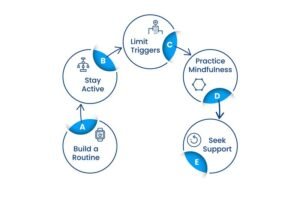
If you want to learn how to overcome depression and anxiety, you need daily commitment and practical strategies.
Build a Routine
Creating a daily routine helps you bring structure and predictability to your life, reducing feelings of uncertainty and stress. When you plan your day, even simple tasks become easier to manage. A consistent routine supports better sleep, productivity, and emotional balance. Over time, this stability can significantly improve your overall mental well-being.
Stay Active
Regular physical activity plays a powerful role in improving mood and reducing symptoms of anxiety and depression. Exercise releases endorphins, which naturally boost your mood and energy levels. Even light activities like walking or stretching can make a difference. Staying active also helps you build discipline and maintain a healthier lifestyle.
Practice Mindfulness
Mindfulness techniques help you stay present and reduce overwhelming thoughts about the past or future. Practices like meditation, deep breathing, and grounding exercises calm your mind and body. These methods improve focus and emotional control over time. Consistent mindfulness practice can lower stress levels and promote inner peace.
Limit Triggers
Identifying and managing triggers is important for effectively managing both conditions. You can reduce exposure to stressful environments, negative content, or situations that worsen your symptoms. Setting boundaries in personal and professional life also helps protect your mental health. This proactive approach allows you to feel more in control of your emotional responses.
Seek Support
Reaching out for support helps you avoid isolation and builds emotional strength. Talking to trusted friends, family members, or mental health professionals provides comfort and guidance. Support systems can offer new perspectives and coping strategies. Seeking help is a strong and important step toward recovery and long-term stability.
How to Deal with Depression and Anxiety Daily?
You can learn how to deal with depression and anxiety by taking small, consistent steps. Set realistic goals and break tasks into manageable parts. Focus on progress rather than perfection. Treat yourself with patience and understanding. Stay connected with others, even when you feel like withdrawing. Engage in activities that bring you comfort or joy, even if motivation feels low.
You should build a simple daily routine to create structure and reduce stress. Practice mindfulness or deep breathing to calm your mind. Limit exposure to negative triggers and prioritize physical activity, even short walks. Keep a journal to express your thoughts and track emotions. Most importantly, stay consistent with your efforts, because small daily actions can gradually improve your mental well-being over time.
Final Thoughts
Depression and anxiety can be managed successfully with the right treatment approach and a structured mindset. Early intervention, consistent care, and healthy habits improve long-term outcomes and support lasting emotional stability through professional guidance and personalized treatment planning at MAVA Behavioral Health.
Resilience develops over time through coping strategies, routine stability, and ongoing support. Emotional well-being strengthens with meaningful activities and strong social connections, while early recognition of warning signs helps reduce the risk of relapse and maintain better control over thoughts and emotions.
Long-term lifestyle changes, including quality sleep, balanced nutrition, and regular physical activity, play a critical role in sustaining progress. For comprehensive care and expert support, contact MAVA Behavioral Health or book an appointment today towards better mental wellness.
FAQs
1. What is the difference between anxiety and depression?
Anxiety causes excessive worry and fear, while depression causes persistent sadness and loss of interest.
2. What are the common symptoms of anxiety and depression?
Symptoms include fatigue, sleep issues, irritability, poor concentration, and emotional distress.
3. What is the best antidepressant for anxiety and depression?
Doctors choose medication based on individual needs. SSRIs often work well for both conditions.
4. Can I take a depression and anxiety test online?
Yes, but you should always confirm results with a mental health professional.
5. What treatments are available for depression and anxiety?
You can use therapy, medication, lifestyle changes, and telehealth services.
6. How can I overcome depression and anxiety naturally?
You can exercise, practice mindfulness, sleep well, and build strong routines.