
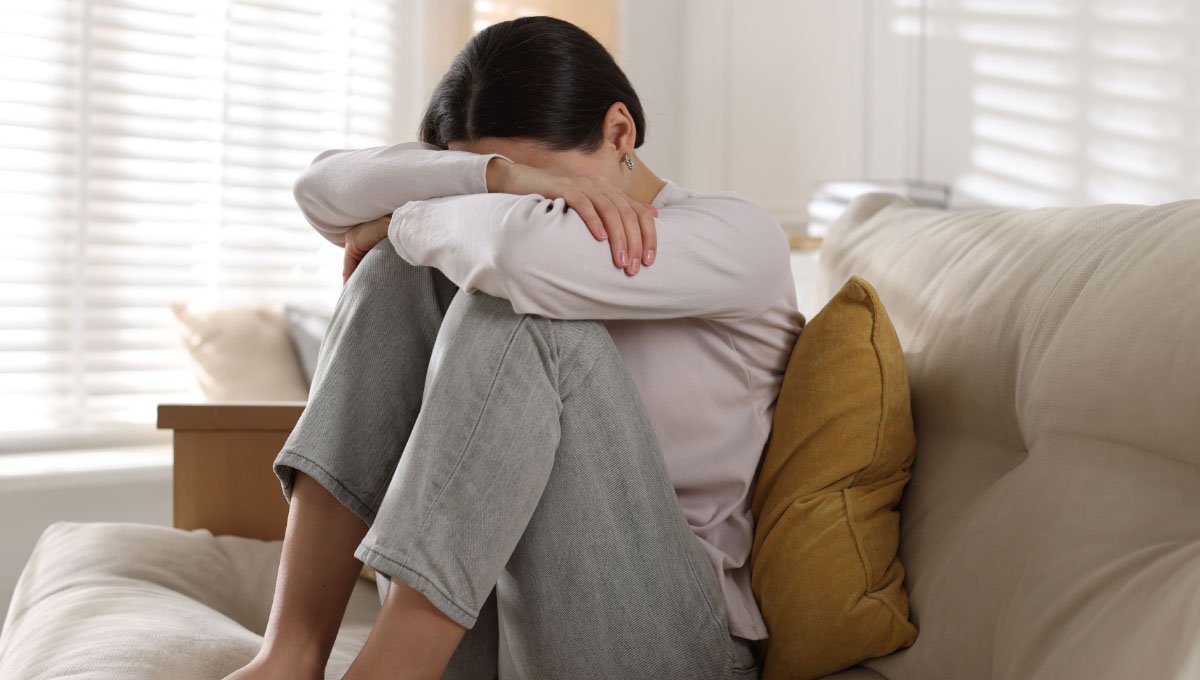
Many people who experience a first-time panic attack may feel like they are suffering from a heart attack or even dying. These physical sensations are very severe, hence the concern when one wonders, Can you die from a panic attack?
The reassuring answer is no. Panic attacks themselves are not fatal. While these attacks may cause much pain, they will not stop the beating of your heart or the breathing process. Panic attacks cannot be disregarded since they may have an influence on your life and even call for visiting a doctor to check your health state. In this guide, we’ll explain whether a panic attack can kill you, what causes panic attacks, how to control them, and the most effective treatment options.
What Is a Panic Attack?
A panic attack involves an abrupt onset of extreme fear or discomfort that peaks within a few minutes. The attacks can occur without any warning signs or might be caused by particular stimuli.
These symptoms can include the following:
- Increased heart rate
- Chest pain or pressure
- Shortness of breath
- Sweating
- Trembling
- Dizziness
- Nausea
- Tingling
- Fear of death
- Loss of control
Is It Possible to Die From a Panic Attack?
If you’re asking, is it possible to die from a panic attack? In response to the question whether it is possible to die from a panic attack, the answer is negative.
During a panic attack, the body starts to exhibit signs of the fight-or-flight response. It means that your heartbeat, breathing, and level of adrenaline start to increase. However, in healthy individuals, such reactions will not cause their death.
Nevertheless, it is necessary to seek medical help if you suffer from chest pain, difficulty breathing, or fainting. So, receive expert panic attack treatment from the comfort of your home with MAVA Behavioral Health’s secure Virtual health services.
Can a Panic Attack Kill You?
Many people repeatedly ask, Can a panic attack kill you? It is universally recognized that attacks of panic are not lethal in any way. Despite causing intense physiological reactions, they do not result in heart problems, breathing difficulties, or any other damage to your health.
In fact, the most serious risks may come about more indirectly, including such cases as:
- Fainting from dizziness
- Experiencing a panic attack while driving
- Consequences of avoiding your routine activities due to fear
- Forming panic disorder without getting appropriate help
Is Panic Attack Dangerous?
Another common question is, is panic attack dangerous? The panic attack itself is generally non-threatening, but regular attacks can negatively impact your psychological and physiological health in the following ways:
- Fear of experiencing attacks in the future
- Sleep disorders
- Social withdrawal
- Problems in work-related tasks
- Depression
- Excessive anxiety
Can You Die From a Panic Attack in Your Sleep?
Though scary, these attacks are non-fatal. Should you experience these attacks at night often, seek professional help from a mental health expert. Some people wake suddenly with a racing heart and wonder, Can you die from a panic attack in your sleep? No, nighttime panic attacks might awaken you at night because of symptoms like:
- Fast beating heart
- Perspiration
- Difficulty breathing
- Discomfort in the chest
- Intense fear
What Causes a Panic Attack?
Many different reasons may lead to panic attacks. Some of the main causes are:
- Prolonged stress
- Anxiety disorders
- Family background
- Changes in life
- Trauma
- Some drugs
- High levels of caffeine
- Insomnia
- Medical conditions that affect hormones and heartbeat
How Long Do Panic Attacks Last?
Many people ask, how long do panic attacks last? Panic Attacks usually:
- Have their peak in 10 minutes
- Duration can be anywhere from 5 to 20 minutes
- Sometimes go on for up to an hour
The symptoms might end, but not the fear and fatigue.
Can You Pass Out From a Panic Attack?
People often wonder,” Can you pass out from a panic attack? Panic attacks seldom involve fainting. According to Medical News Today, panic attacks are not life-threatening in nature, despite being very overwhelming and seeming like an actual medical emergency.
Through the right diagnosis and treatment of medications, panic attacks can be controlled. In fact, when experiencing a panic attack, blood pressure usually stays constant or even rises a bit, reducing the chances of fainting. However, hyperventilation can result in feeling dizzy or lightheaded.
Can Panic Attacks Cause Fainting?
Although many people ask whether panic attacks cause fainting, the answer is that it is relatively rare. At times, hyperventilation can decrease blood supply to the brain momentarily, thus causing dizziness. In case a patient loses consciousness, health care practitioners should consider other underlying factors before attributing the condition to panic attacks alone.
You may also ask, is panic attack normal? Panic attacks that occur occasionally due to stressful times in someone’s life may affect many people at some point. However, recurrent and unexpected panic attacks, together with fear of having future attack,s can be a sign of panic disorder.
How to Control Panic Attack?

1. Practice Slow, Controlled Breathing
The best way to overcome a panic attack is to breathe slowly. Panic attacks are accompanied by fast breathing, which can cause dizziness and discomfort in the chest area. Slow breathing allows you to relax the nervous system and lessen the symptoms.
2. Use Grounding Techniques
Grounding techniques assist in shifting your focus away from your fear and towards the present. It involves trying to think about physical objects that you see, hear, or feel. This way, you can stop the panic cycle and regain control.
3. Make Healthy Lifestyle Changes
Healthy practices on a daily basis can help one avoid the occurrence of panic attacks. Caffeine and any other stimulant intake should be reduced; proper sleep is important, exercise should also be done, and stress should be kept under control.
4. Seek Professional Treatment
If your panic attacks happen often or affect your daily activities, it is necessary to get professional help. A psychiatrist will examine your condition, prescribe the necessary drugs, and develop a treatment program that suits you specifically.
Panic Attack Treatment
The treatment of panic attacks will be contingent on the degree of their severity and other personal considerations.
These treatments include:
- Pharmaceutical drugs that will help decrease the severity of panic symptoms and minimize any future attacks.
- The Online medication management and the monitoring of its effects and side effects on an ongoing basis.
- Some changes in lifestyle, such as improved sleeping habits, physical activity, and low intake of caffeine.
When Should You Seek Emergency Care?
Even though a panic attack isn’t life-threatening on its own, if you experience any of the following, you should see a doctor immediately:
- A new or sudden onset of chest pains
- Fainting
- Breathing problems that don’t go away
- Symptoms that last much longer than a normal panic attack would
- Symptoms of a heart attack or stroke
- Better safe than sorry.
End Note
Are you asking yourself whether you could die from a panic attack? The answer to your question is that panic attacks will not cause death. Even though they might be really scary and you may think that there’s something really wrong medically, panic attacks can be treated using appropriate medication. Learning about the causes, symptoms, and treatment for panic attacks can give you back control over your life.
In case panic attacks have started ruining your life, it’s high time you sought help. Properly managed with the right medication, they can decrease their frequency and intensity greatly. You shouldn’t suffer anymore because it is possible to cope with them with the help of professional treatment. At MAVA Behavioral Health, you can get medication management for your panic attacks.
FAQs
Can you die from a panic attack?
Absolutely not. Panic attacks do not result in death; rather, they can cause some serious physical reactions.
Is it possible to die from a panic attack?
Absolutely not. Scientific studies have proven that panic attacks do not lead to death for otherwise healthy people.
Can you die from a panic attack in your sleep?
Absolutely not. It is possible to experience a panic attack during sleep and be awoken by the symptoms.
Can a panic attack kill you?
No. Panic attacks cannot cause any problem with your heart and lungs; however, they tend to mimic medical problems.
How long do panic attacks last?
They last for about 10 minutes on average and resolve in 20 minutes.
What causes a panic attack?
There are many causes, which include stress, anxiety, hereditary factors, trauma, lack of sleep, and caffeine consumption, among others.
Can you pass out from a panic attack?
Fainting is not very common in people who have panic attacks. Most patients feel dizzy and light-headed.
Can panic attacks cause fainting?
Fainting is an unusual occurrence and requires further evaluation by a healthcare professional.
Is panic attack dangerous?
It is not dangerous in itself, although repeated panic attacks may be harmful to your psychological well-being and functioning if left untreated.
Is panic attack normal?
One time, a panic attack may happen when you experience very stressful situations. The frequent occurrence of such attacks may mean that you have a panic disorder.