
Mental abuse is a series of actions used by one individual against another to gain control over them. The effects of mental abuse may not be outwardly visible; however, they are equally damaging to a victim who is left with depression, low self-worth, lack of self-esteem, and lack of trust for others. Some common types of psychological abuse may occur within romantic relationships, within a family setting, at work or within social groups.
Mental abuse is hard to recognize since it slowly occurs over time without immediate signs, which makes it hard for the victims to realize what is happening. The signs of psychological abuse include constant criticisms, gaslighting, isolation, intimidation, humiliating statements and threats. It is important to understand the signs of mental abuse to begin your journey to recovery.
What is Mental Abuse?
Mental abuse is a series of actions done to control, threaten, isolate, or manipulate someone. The type of abuse does not involve physical harm to a person but rather mental torture. The victim could be anyone from a partner in an intimate relationship, family member, friend, or workmate. With repetition, the victim loses their self-confidence, becomes self-doubting, and develops fear.
It is normal for people to have conflicts within relationships, but when mental abuse occurs, it transcends those arguments. The behavior becomes repetitive and leads to power imbalances in a relationship. The abuser tends to use methods like gaslighting, emotional manipulation, or isolating among others. Thus, access compassionate virtual health services for mental abuse from licensed providers at MAVA Behavioral Health.
Mental Abuse Symptoms in the Victim
Being in an environment where you face psychological warfare every day leads to some personality changes. Some of these changes include:
- Chronic Self-Doubt: Being always in the habit of saying sorry even when you have not done anything wrong.
- Hypervigilance: Always living in fear of something happening that will upset your abuser.
- Lack of Identity: Feeling like you are a shadow of your past self and can hardly make any decision without fearing for yourself.
- Physical Problems: Chills due to anxiety, inability to sleep, digestive problems, and chronic pain.
Common Signs and Symptoms of Mental Abuse
Mental abuse is quite hard to detect, and victims tend to find excuses for such conduct or even blame themselves. Identifying the symptoms could prevent further confusion. According to Verywell Mind, mental abuse involves patterns of emotional manipulation, control, and intimidation that can seriously impact a person’s mental and emotional well-being.
Mental abuse in a romantic relationship usually begins gradually and then grows to serious levels, which includes:
- Excessive criticism: Consistent criticism of your appearance, body, working performance and intelligence.
- Isolation: Ensuring that there is no other contact from anyone else and making you completely dependent on him or her.
- Silent treatment: Punishing you by being silent or forcing you to make an apology.
- Jealousy and possessiveness: Accusations for being unfaithful or wanting to control your activities through passwords or cell phones.
Mental Abuse Examples
The Mental abuse can take many forms, but one common form is called ‘gaslighting’, which refers to getting an individual to doubt their sense of reality.
- As soon as you bring up something offensive, your partner or your parents said.
- You never said that,” will be their immediate reaction; “you must have imagined it all.
- They will tell you that your memory is mistaken.
- Instead of addressing the issue, they tell you that you are just being “overly sensitive” or “going crazy.”
- In the end, you will begin to doubt everything in your mind.
- That’s how you’ll find yourself dependent on your partner’s reality.
Mental Abuse vs. Emotional Abuse: What’s the Difference?
| Feature | Emotional Abuse | Mental (Psychological) Abuse |
| Primary Target | Your emotions, feelings, and self-worth. | Your mind, perception of reality, and sanity. |
| Core Tactics | Insults, constant criticism, withholding affection, name-calling, and public humiliation. | Gaslighting, distortion of facts, manipulation, and making you question your own memory or judgment. |
| The Intent | To make you feel unlovable, inadequate, or entirely dependent on the abuser for emotional validation. | To erode your confidence in your own mind, making you rely on the abuser’s version of reality. |
| Common Example | You’re completely useless, and no one else would ever put up with you. | I never said that, you’re completely misremembering things and losing your mind. |
Mental Abuse from Parents and Family Dynamics
If mental abuse happens to children, the path that their brains develop along will change.
Children depend totally on their caregivers to feel safe and valued. When parents use psychological tactics on their kids, they commit mental child abuse, which consists of:
- Shaming or ridiculing the child’s feelings or physical appearance.
- Parentification (making the child behave as an adult/caregiver).
- Conditional love (loving only if the child succeeds in becoming perfect).
- One child is being scapegoated, and the other is being overpraised.
Long-Term Effects of Parental Mental Abuse
Being raised by parents who psychologically abuse the child will have lasting effects on one’s life. Being continuously berated, blamed, threatened, or emotionally blackmailed will cause low self-esteem and feelings of inadequacy and unlovability. When they reach adulthood, they still think that they are not worthy of being loved and respected.
The effects of these experiences in one’s life also impact one’s ability to relate to others later on. It is quite common for someone who suffered such a condition during their childhood to have problems with trusting, having clear boundaries, and expressing themselves. Others would even choose to be in an unhealthy relationship simply because it feels familiar. Some suffer from anxiety and depression while others have low self-esteem and stress.
The Intersection of Mental Health and Substance Abuse
Mental abuse has been known to create such psychological trauma that it creates other related health problems. There is a relationship between mental health and substance abuse, known as the dual diagnosis.
People resort to taking various forms of substances, such as drugs, alcohol, and medicines, as a way of managing the excruciating mental pain and trauma associated with abuse. This may provide temporary relief from the situation, but in the long run, it only serves to worsen the existing problem of anxiety, depression, and trauma.
Taking a Mental Abuse Test: Finding Clarity
And just in case you may wonder if your relationship and background have included some form of abuse, the thing is that you are never alone because the abusers are very good at putting all the blames on other people. The online test for mental abuse will not diagnose you with something, but it can act like a mirror to allow you to see things through. Medication management ensures that your medications are effective and safe.
And if you find yourself nodding when you ask yourself questions like, Do you always hide things from your partner just to avoid argblameuments?” or “Is your partner making you believe that you owe him/her anger?”, then chances are that you are being psychologically abused.
Steps Toward Healing and Recovery
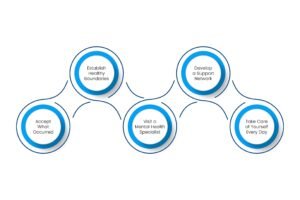
1. Accept What Occurred
To begin healing from psychological abuse, it is necessary to acknowledge what occurred in order to avoid dwelling on negative thoughts. Understand that you never deserved manipulation, disrespect, and insults.
2. Establish Healthy Boundaries
It is essential to set limits regarding your interactions with a person who caused you trauma. To do so safely, it may be helpful to limit or cease all communications at all.
3. Visit a Mental Health Specialist
Licensed therapists can help you to analyze your experience and learn healthy coping mechanisms. For instance, CBT therapy and EMDR are aimed at reducing the symptoms of psychological trauma and restoring self-esteem.
4. Develop a Support Network
Try to spend time around people who support you and respect you. Your close friends and family members can help you feel better by reminding you that you are not alone.
5. Take Care of Yourself Every Day
Make sure to provide for your mental and physical health by engaging in exercises and eating right. You may also consider having sufficient sleep and practicing mindfulness.
Final Thoughts
Mental abuse can leave deep emotional wounds, even when there are no physical signs. Its effects often influence self-esteem, relationships, and overall mental health for years. Recognizing the signs of emotional and psychological abuse is the first step toward protecting yourself and beginning the healing process. Recovery may take time, but with the right support, healthy boundaries, and professional care, it is possible to regain confidence and build a healthier future.
No one deserves to live in fear, confusion, or constant emotional pain. If you or someone you care about is struggling with the effects of mental abuse, reaching out for help can make a meaningful difference. MAVA Behavioral Health provides compassionate telehealth mental health services, personalized treatment plans, therapy, and medication management to support individuals on their journey toward healing, recovery, and long-term emotional well-being.
FAQs
What is the most common form of mental abuse?
A very frequent tactic used against an victim. In essence, is one used of the more favorite type to make sure to shift the blame. In turn the perpetrator avoid being responsible for themselves .
Can mental abuse cause physical symptoms?
Psychological stress: when this continues, the “fight or flight” response in the body goes on and on. In some people this can lead to a series of attacks, chills of panic, overwhelming fatigue, headaches, and some problems of the gut.
How do I legally prove mental abuse?
Legal documentation for emotional abuse is complicated due to the typical lack of physical proof. Documenting the abusive behaviors in a hidden log book or journal, storing text messages, emails and voicemails.
Can a mentally abusive person change?
Change can occur technically, but that is very, very rare and would involve sincere awareness, remorse, and extensive therapy of years’ worth. They can’t actually change if they still see you as the one to blame.