

Anger may affect anyone, causing frustration, annoyance, or overwhelm in stressful situations. But if such episodes become frequently intense, sudden and hard to control, you may ask yourself, what is intermittent explosive disorder?
Intermittent Explosive Disorder involves recurrent aggressive actions, angry outbreaks, or inappropriate aggressive verbal outbursts. Such an outbreak may seem to appear out of nowhere and create issues in family, on the job, in personal relations or in a social context.
Knowing about intermittent explosive disorder signs, triggers, causes and treatment will help you understand whether you need professional assistance to deal with anger in a proper way.
What Is Intermittent Explosive Disorder?
Intermittent Explosive Disorder features repetitive and impulsive displays of anger or aggression. While undergoing the episode, you will yell, argue, threaten, destroy property, or engage in physical aggression. You may feel like the reaction is way beyond what the situation would warrant. MAVA Behavioral Health offers telehealth services for intermittent explosive disorder, providing accessible support from the comfort of your home.
It is distinct from just having a short fuse. Having a bad temper occasionally does not mean that you have a psychological problem. In cases where you have IED, you experience recurrent and disruptive aggressive outbursts.
Emotional pain, guilt, embarrassment, and remorse may follow after aggression. This may contribute to a vicious cycle whereby your aggression leads to conflict, which in turn leads to stress, which makes future outbursts uncontrollable.
Intermittent Explosive Disorder Symptoms
Additionally, you might observe bodily manifestations of rage such as increased heart rate, muscle tension, sweating, trembling, or feeling overwhelmed. Its symptoms can range widely among different individuals. Some of the common indicators may be:
- Verbal arguments and aggressive outbursts on sudden impulse
- Yelling, screaming, and making threats
- Being physically aggressive towards people and objects
- Throwing or breaking objects when having an outburst
- Impulsive aggressive behavior in traffic, including road rage
- Failure to control rage during an outburst
- Unreasonable rage arises from the provoking situation.
- Feeling remorseful, ashamed, or guilty about the aggressive behavior afterwards
Intermittent Explosive Disorder in Adults
The impact of adult intermittent explosive disorder is likely to be wide-ranging. It may cause difficulties in personal relationships, at work, financially due to the destruction of property; and legally in the case of aggressive behavior. According to the MAYO CLINIC, Intermittent Explosive Disorder involves repeated, sudden episodes of aggressive behavior that are out of proportion to the situation.
The presence of intermittent explosive disorder (IED) among adults may also lead to avoidance behavior. This is because you fear losing control and avoid people, situations, and interactions as a result.
In the case of anger issues repeatedly disrupting your personal life and responsibilities, it would be wise to see a licensed mental health practitioner.
Intermittent Explosive Disorder Criteria
Learning about the intermittent explosive disorder diagnostic criteria can be useful in understanding why it is necessary to undergo professional evaluation.
Typically, mental health professionals would search for repetitive displays of aggressive and destructive behavior which are out of proportion to what is expected of the situation and cause notable distress or difficulties in various important areas of life.
It is also important whether any other illness, substance use, medication, or anything else might explain the patient’s behavior better. It is not advisable to attempt a self-diagnosis based on a list on the Internet. It is better to go through a thorough assessment done by a professional who will consider all aspects.
What Causes Intermittent Explosive Disorder?
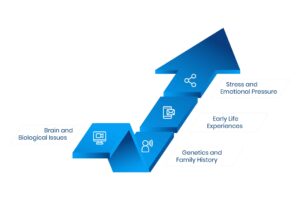
Then, what causes intermittent explosive disorders? There are no specific reasons why someone might have it.
1. Brain and Biological Issues
There may be variations in brain chemistry, emotional regulation, or impulse control, which can make it difficult for you to control aggressive behaviors.
2. Genetics and Family History
If your family has a history of mental health issues, it can predispose you to having trouble with controlling anger and impulses.
3. Early Life Experiences
The experiences of violence, abuse, neglect, or high levels of stress during early life may shape the way that you cope with anger and conflict.
4. Stress and Emotional Pressure
Stress, relationship issues, finances, trauma, insomnia, and other emotional experiences may lead to aggressive reactions.
Intermittent Explosive Disorder Triggers
Identification of the triggers for it is crucial in order to help you learn the things that could potentially contribute to anger problems. Possible triggers are criticism, disrespectful behavior, conflict, work-related stress, traffic situations, financial pressures, feelings of being overlooked, rejection, overcrowding, persistent stress, and unfair situations.
In addition, you may find it useful to keep an anger journal. You should record what occurs before an episode of anger occurs, how you physically feel at the time, what your thoughts are, and how you react.
Intermittent Explosive Disorder Example
An example of an intermittent explosive disorder includes a situation where there is a mild dispute but an excessive response of anger results from it.
For instance, you could react excessively with anger following criticism of your choice by a colleague at work. Rather than having a calm discussion on the dispute, you may start yelling. threatening the person, breaking things, or walking away from the place in a rage. Eventually, you may experience regret about having such a huge reaction to a small dispute.
Intermittent Explosive Disorder vs DMDD
At times, clinicians compare it and DMDD when both present with severe irritability and anger problems.
Disruptive Mood Dysregulation Disorder mainly causes irritability and tantrums, with specific symptoms in children and teenagers.
Intermittent Explosive Disorder, on the other hand, is characterized by frequent impulsive aggression episodes. It may develop in adulthood, whereas doctors diagnose DMDD in childhood.
Given that similar symptoms are often seen in different mental health disorders, an evaluation performed by a specialist may be very useful for diagnosing your problem.
Intermittent Explosive Disorder Treatment
Treatment for intermittent explosive disorder usually focuses on developing emotional regulation, impulse control, and coping with triggers.
1. Cognitive Behavioral Therapy
A type of talk therapy such as CBT will allow you to identify those cognitive processes, emotions, and situations that trigger anger. You will develop skills of refuting those thoughts and selecting a different response.
2. Anger Management
You will be taught how to identify your trigger signs, take a pause before acting out, communicate in an effective way, and handle conflict constructively.
3. Relaxation and Stress Reduction Approaches
Such approaches as breathing techniques, mindfulness, physical exercise, improved sleep, and others may be helpful to decrease emotional arousal.
Medication
Intermittent explosive disorder medications can be a component of your treatment at times. If you are showing some symptoms that might require medication in connection with your mental well-being, the use of specific drugs can be considered.
An authorized professional must prescribe any Online medication management for it. It is important to never take any medication without consulting a professional.
How to Treat Intermittent Explosive Disorder
To learn how to manage your intermittent explosive disorder, begin with professional consultation first. The therapists or other mental professionals, such as psychologists or psychiatrists, can help evaluate your condition and develop a treatment plan specifically tailored to your symptoms.
The therapy can be based on different techniques, such as psychotherapy, behavior therapy, stress management, and even medications.
MAVA Behavioral Health provides professional behavioral health services for those dealing with emotion management, anger problems, or mental health issues. It doesn’t mean that your lack of control over emotions makes you a failure but that you need some help in managing them.
Take the Next Step Toward Better Emotional Control
It can impact your personal and professional life as well as your overall wellbeing, but a series of angry outbursts does not need to dictate your future. It is possible to identify your triggers and develop techniques for managing your emotions.
If you identify yourself with recurrent episodes of uncontrolled anger, seeking the guidance of a certified mental health counsellor may be something to explore.
Living With Intermittent Explosive Disorder
It is difficult living with the condition of it, especially since one regrets what they say or do during an episode of anger. Whenever you feel like you could hurt yourself or someone else, take yourself out of the situation immediately.
There are various things one can do for better emotional regulation:
- Know your own signs of anger.
- Find your usual triggers.
- Take a breather before reacting in a heated situation.
- Breathe deeply.
- Get out of a growing argument whenever you can.
- Sleep on a regular schedule.
- Limit stressors wherever possible.
- Confer with a trained expert about your anger.
- Follow through on your treatment regimen.
When Should You Seek Help?
Consult a professional when your anger leads to difficulty in your relationships, job, school, money, or even everyday activities.
This is even more true for those who experience regular aggression, feel they cannot control their actions, destroy items while they are angry, threaten others, or frequently feel guilty about losing their temper.
Professional intervention at an early stage will assist you in comprehending your emotional reactions without making you suffer the consequences of repeated outbursts. MAVA Behavioral Health has provided the following sample that addresses the topic directly:
Final Thoughts
When you struggle to control your anger, it is challenging and might begin to impact your interpersonal relationships or even the quality of your work. You do not have to go through this struggle on your own. In case you experience recurring anger or aggression, it is a good idea to contact MAVA Behavioral Health for assistance.
By getting proper guidance, you will be able to determine your triggers, learn about your reactions and form healthy habits regarding your management of anger. It is time to take that step and seek professional help.
FAQs
1. Is it an actual mental illness?
Yes. It is an actual mental illness that includes the occurrence of recurrent aggressive impulses or outbursts that are not proportionate to the current situation and lead to distress.
2. What causes intermittent explosive disorder?
The causes may be criticism, conflicts, disrespect, frustration, rejection, money troubles, work-related issues, driving and many other situations that are perceived as stressful by a person.
3. Does treatment exist for it?
Yes. The treatment can involve psychotherapy, anger management, stress management, and even medications.
4. Can intermittent explosive disorder be cured?
With proper treatment and regular practice of the skills, you will be able to manage to decrease the number of outbursts of rage and regulate your emotions. Your success in dealing with your problem will depend on many factors.
5. How is intermittent explosive disorder different from DMDD?
Recurrent impulsive aggressive outbursts primarily characterize it. Chronic irritability and repeated temper outbursts characterize Disruptive Mood Dysregulation Disorder, diagnosed in children and adolescents.