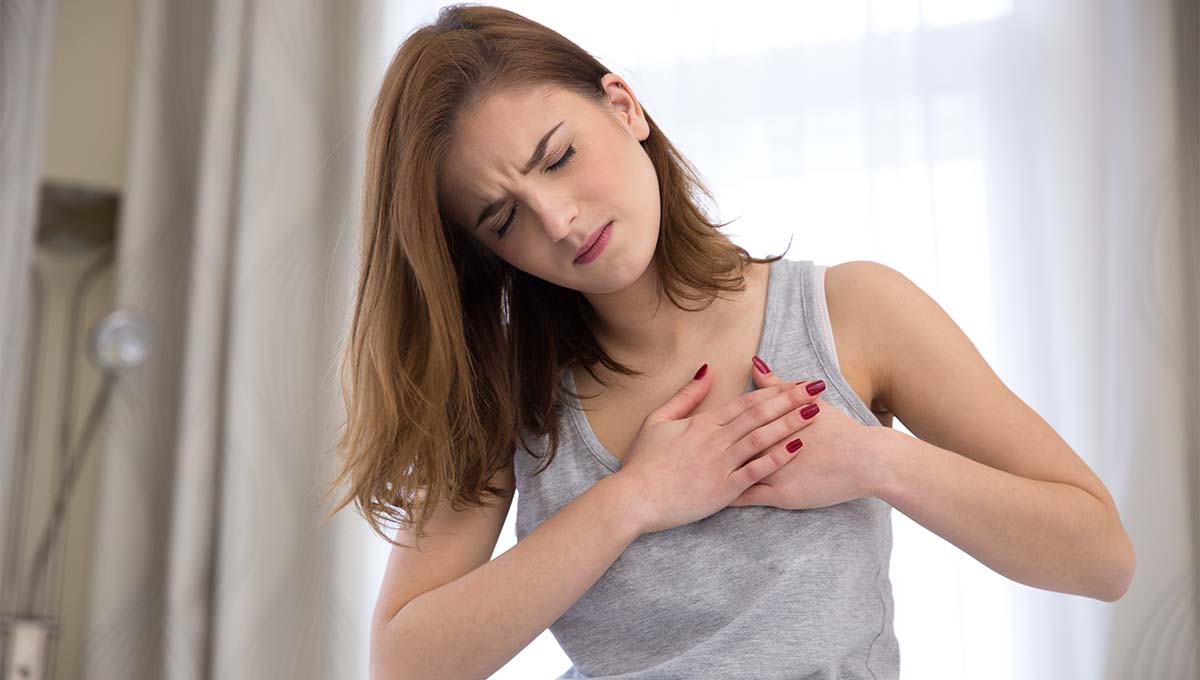
Chest pain anxiety can be very scary, particularly when it accompanies anxiety or stress. You may experience chest pain as pressure, tightness, sharp pain, increased heart rate, and intense anxiety in the chest area.
The connection between anxiety and physical manifestations is evident. When the fight-or-flight mechanism of the body is triggered due to anxiety, then hormones of stress can affect heart rate, breathing, and chest muscle contraction, which will lead to chest pain.
On the other hand, it is important not to automatically diagnose your chest pain with anxiety. Chest pain can be caused by different issues cardiovascular, respiratory, digestive, or muscular problems. A doctor will be able to determine its cause.
Can Stress and Anxiety Cause Chest Pain?
Of course, stress and anxiety may lead to pain in the chest area. When you experience stress, your body gets ready for action, reacting to danger. Thus, your heart may be beating faster, and your breathing becomes deeper. Furthermore, your chest muscles may get tense. Anxiety may form a vicious circle in which you feel chest pain, start panicking, feel even more anxious, and have increased physical manifestations.
This reaction may lead to anxiety and pain in the chest. Such feelings include the following:
- Pressure in the chest
- The sharp and stinging pain
- Tension of the muscles near the ribs
- Rapid and pounding heartbeat
- Breathlessness
- Dizziness or lightheadedness
- Sweating and warmth of the body
- Tingling of the hands or fingers
Why Does Anxiety Cause Chest Pain?
If one may wonder why anxiety leads to chest pain, there are many physiological reasons as to why this is the case.
1. Fight or Flight Response
One’s anxiety can trigger the body’s fight or flight response. This leads to the release of stress hormones, including adrenaline and cortisol, which will make the heart race and prepare the muscles for activity.
2. Tense Muscles in the Chest
Anxiety may also be responsible for causing the muscles in the chest and rib areas to tighten up.
3. Changes in Respiratory System Functioning
Feelings of anxiety affect breathing. Fast or shallow breathing can contribute to such feelings as pressure in the chest area, dizziness, tingling sensations, and shortness of breath.
4. Fear Increases Physical Feelings
Physical discomfort of the chest can trigger fears related to one’s health and wellbeing. These fears, in their turn, can lead to increased anxiety and increase the number of physical feelings.
What Does Chest Pain From Anxiety Feel Like?
Chest pain from stress is quite subjective and varies from one person to another. It may be felt like a stabbing pain, pressure, tightness, heaviness, or even discomfort in the chest. While some people may experience a sudden sensation of pressure, some may develop discomfort in their chests during times of stress. Apart from that, chest anxiety may also be associated with palpitations, difficulty breathing comfortably, excessive sweating, trembling, nausea, dizziness, and tingling.
In addition, you may experience fear and worries whenever you experience these symptoms. The chest discomfort may get aggravated as you increase your levels of anxiety or become aware of your physical sensations. Stress can even result in tightening of muscles in the chest, shoulders, and upper back regions and contribute to pain.
Anxiety Attack Chest Pain What Happens During an Episode?
There may be an instance where one has a chest pain episode as part of an anxiety attack. These symptoms may include palpitations, discomfort in the chest, fast breathing, sweating, trembling, or a feeling of fear. Telehealth services can help assess anxiety-related chest pain, provide guidance, and recommend in-person care when necessary.
Panic attacks also cause chest pain and other symptoms that may resemble a heart condition. According to NIMH, some of the symptoms of panic attacks include anxiety pain in chest, fast heartbeat, difficulty breathing, sweating, dizziness, and nausea. (National Institute of Mental Health)
One should consider visiting the doctor when experiencing these symptoms, especially for the first time. The symptoms can also be frightening even when one is suffering from anxiety.
Chest Tightness Anxiety: Why Does It Happen?
Chest tightness anxiety occurs in cases where stress results in tightening of chest muscles or changes in your breathing rhythm.
It might be described by you in the following ways:
- Chest feels tight
- I have anxiety pain in chest.
- Anxiety in my chest
- Pressure feeling when I am stressed
- It feels like someone sits on my chest
The above symptoms can occur during either long-term stress or an acute anxiety attack. But keep in mind that chest pressure can be a sign of a serious health problem and cannot be the sole basis for diagnosis.
How to Relieve Anxiety Chest Pain
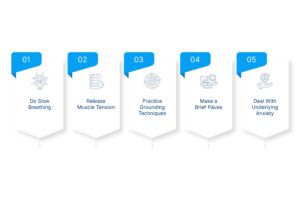
In case the health care provider has evaluated your chest pain and found that there is anxiety involved, you have some ways to soothe yourself.
1. Do Slow Breathing
Find a comfortable place to sit and breathe slowly. Avoid making very deep breathing efforts. Try to concentrate on the right rhythm and breathing pattern.
2. Release Muscle Tension
While feeling anxious, one may have tense muscles in his/her chest, shoulders, neck, and jaw area. Just release muscle tension and let your shoulders drop.
3. Practice Grounding Techniques
Bring your awareness to the present environment. Notice everything that you can see, hear, feel, smell, and even taste. The practice of grounding may help distract from scary thoughts and return focus to reality.
4. Make a Brief Pause
When your symptoms arise due to stressful situations, try to withdraw from them, sit down somewhere quietly and give yourself some time.
5. Deal With Underlying Anxiety
It often happens that overcoming chest pain becomes a process of coping with anxiety that is its cause. Therapy may be helpful in such cases.
Treatment for Anxiety-Related Chest Pain
It will depend on the reason behind the cause of the symptom. If there is no physical emergency from the medical examination and anxiety plays a role in your chest discomfort, then mental health treatment might work. According to Healthline, anxiety can cause chest pain and other physical symptoms, but new or severe chest pain should be medically evaluated.
Cognitive Behavioral Therapy
Cognitive behavioral therapy, or CBT, will allow you to see anxious thoughts and correct behaviors that heighten your anxiety. According to NIMH, cognitive behavioral therapy is one of the proven psychotherapies for panic disorders. (National Institute of Mental Health)
Medication
In some cases, where your anxiety or panic disorder impacts your life in a significant way, your doctor may suggest the use of Online medication management. Some of the types of drugs include antidepressants, among others. (National Institute of Mental Health)
Good Everyday Habits
Exercise, proper rest, healthy eating, and having supportive people around can help enhance your professional anxiety treatment. However, these habits can contribute to your psychological wellness while not being substitutes for treatment in case of serious anxiety. (National Institute of Mental Health).
How to Stop Anxiety Chest Pain From Controlling Your Life
If your chest problems are always caused by anxiety attacks, concentrate on the overall pattern and not just on the pain. With proper help, you will be able to react to your anxiety attacks without becoming frightened at every physical symptom.
You can:
- Identify your triggers for anxiety attacks.
- Schedule your thoughts and physical symptoms
- Learn breathing and grounding techniques.
- Change things in your life which make you stressed.
- Consult a qualified mental health professional.
- Follow your healthcare professional’s advice about physical symptoms.
When to Worry About Chest Pain Female
If you want to know when to be concerned about chest pain in women, always treat any new or unexplained chest pain as a serious matter. During a heart attack, women may have chest pain or pressure, along with additional symptoms like shortness of breath, nausea, feeling dizzy, cold sweat, fatigue, anxiety, or pain in the back, shoulder, arm, neck, jaw, and stomach area.
In case you feel chest pain that lasts a few minutes, that goes away and returns, or is accompanied by pressure, squeezing, difficulty breathing, cold sweat, nausea, vomiting, lightheadedness, fainting, unusual weakness, or extreme fatigue, you should see a doctor immediately.
Stress Induced Chest Pain: When Should You Seek Help?
Your chest pain due to stress might go away once your anxiety calms down. However, it is always advisable to take chest pain seriously. It is necessary for you to visit a healthcare provider in case of frequent chest pains, especially if you have never had such pains or you are unable to determine any anxiety or stress as the cause for the pain.
You should also consider seeking medical attention in case the symptoms affect your ability to perform normal tasks or they occur together with fainting, breathing difficulties, severe weakness, or other worrying symptoms. Do not neglect your concerns regarding your heart or general health condition.
How MAVA Behavioral Health Can Help
If you are suffering from anxiety and other mental health issues at MAVA Behavioral Health, you can always approach them.
In case your anxiety impacts you physically, you will be tired of all the worries related to your condition. A therapist will offer you a confidential space where you will have the opportunity to explore your triggers and learn how to cope with them.
If your anxiety is impacting your sleep, relationship, or work performance, you should think about seeking help.
Final Thoughts
Chest pain anxiety is indeed frightening when stress makes your chest tight and constricting and gives you some chest discomfort. The effect of stress and anxiety on your breathing, heart rate, and muscle tension might lead to an anxious feeling in your chest. Learning how to cope with stress and breathe easier, as well as knowing the reason for the anxiety itself, can be helpful in this case.
In case of a persistent problem caused by anxiety affecting your life, professional assistance will be useful for you. The professional help you need can be found at MAVA Behavioral Health. In case you experience sudden, severe, and inexplicable chest pain, you should visit a doctor and not assume that anxiety is the reason.
FAQs
1. Does stress influence your heart rate?
Yes, stress may cause an increase in heart rate or heart palpitations. This reaction may be a result of your organism’s reaction to the state of being scared, worried, or emotionally pressured.
2. Does anxiety cause dizziness?
Yes, anxiety may occasionally lead to dizziness due to the change in breathing caused by intense anxiety. If you feel extremely dizzy or experience other worrying symptoms, consult a doctor.
3. Can relaxation help deal with stress-related symptoms?
Yes, relaxation practices, such as breathing, meditating, stretching, and grounding, can be helpful.
4. Can MAVA Behavioral Health assist with anxiety?
Yes, MAVA Behavioral Health can assist in matters of anxiety through professional treatment that can help you better understand your symptoms.