

The impact of trauma doesn’t always end with the event. It may persist and influence our thoughts, emotions, behaviors, and even our physical well-being long after the fact. Similarly, the signs and symptoms of trauma can sometimes be obvious; many are often subtle. Perhaps you find yourself overthinking or struggling with trust and anxiety. These are neither signs of weakness nor a failure on our part.
Rather, they are innate survival mechanisms that served us when we were faced with overwhelming situations. When we can recognize the common signs of freeze trauma responses, we can identify patterns of thought, emotion, or behavior that may impact us in the future.
So, fight, flight, freeze, and fawn responses are not symptoms of weakness, but rather coping skills that have protected us. Understanding them is a vital step in healing. This guide covers how they present themselves and the impact on our physical and emotional health.
What Is a Trauma Response?
These are physical and psychological responses that occur after traumatic experiences. It may result from a one-time traumatic event (e.g., an accident, natural disaster, or sexual assault) or may occur as a result of numerous traumas (e.g., child abuse and neglect, bullying, continued stress.
When one experiences trauma, the nervous system becomes hypervigilant, activating to protect itself. This response continues even after the threat has passed, causing changes in one’s emotional, cognitive, behavioral, relationship, and physical health. Its awareness is an integral component of trauma recovery. MAVA Behavioral Health offers accessible and confidential telehealth services for your mental health care and medication management needs.
Symptoms of Trauma Response
Everybody experiences the symptoms of trauma in different ways. They may come on immediately or weeks, months, or even years later. The symptoms generally include:
- Excessive worry and anxiety
- Emotional numbness
- Irritability and anger
- Lack of concentration
- Sleep disturbance
- Flashbacks and intrusive memories
- Hypervigilance
- Panic attacks
- Shame, fear, and guilt
Trauma Response Physical Symptoms
Trauma can impact your body as well as your mind. Your stress hormones and nervous system can be stuck in overdrive even long after an incident. Some physical symptoms are:
- Chronic fatigue
- Headaches
- Muscle tension
- Digestive issues
- Rapid heartbeat
- Dizziness
- Lack of sleep
- Chest pain or tightness
- Frequent sickness
- Appetite changes
Signs Of Emotional Trauma in Adults
Adult signs and symptoms of trauma aren’t always recognizable. Most people continue living their day-to-day lives outwardly coping, but inwardly enduring hidden struggles from past events that caused them. The common signs to watch for are:
- Lack of trust in others
- Emotional numbing
- Overall feelings of despair or sadness
- Tendency to withdraw from others
- Low sense of self-worth
- Fear of being rejected or abandoned
- Being very sensitive to others’ criticism
- Stress management skills are poor
- Trouble with relationships
Trauma Response Behaviors
Trauma can have a wide range of effects on a person’s behavior, and there can be many ways it shows itself. Individuals have often developed behaviors and coping strategies that are believed to reinstate a feeling of security and safety. MAVA Behavioral Health can help individuals by tailoring medication management services to individual needs and assisting with mental health treatment. It includes:
- Being a people pleaser
- Avoiding confrontation
- Withdrawal from society
- Perfectionism
- Outbursts of anger/emotion
- Poor boundaries
- Seeking reassurance
- High-risk behavior
- Substance use
Trauma Response Types
Fight Response
The Fight response allows an individual to respond to danger with anger, aggressiveness, or controlling behavior.
Flight Response
The flight response is the individual’s tendency to escape danger by being restless, overachieving, overly busy, or avoiding situations of perceived threat.
Freeze Response
The freeze response happens when an individual’s nervous system is overcome. They may appear stuck, detached, or unable to respond.
Fawn Response Trauma
The fawn response trauma pattern leads individuals to try to keep themselves safe by attending to others’ needs. This typically presents as a person-pleaser with difficulty with boundaries and anxiety around conflict.
7 Trauma Responses
These are some ways in which your brain may respond to a perceived threat. You may react with only one response or multiple responses. The classic 4 responses are fight, flight, freeze, and fawn, but many now discuss:
- Fight
- Flight
- Freeze
- Fawn
- Flop
- Friend
- Attach
Emotional Trauma Response
It influences how an individual experiences their feelings and relationships. Psychology Today also suggests involve shock, fear, anger, sadness, concentration problems, and feeling helpless. It can cause one to respond with what may appear to be an excessive and unpredictable display of emotions, since the nervous system is more reactive to possible dangers.
- Common experiences include.
- Rapid displays of anger
- Being unable to feel anything
- Being scared of being rejected
- Intense guilt feelings
- Intense feelings of shame
- Being unable to verbalize feelings
Is Overthinking a Trauma Response?
Some people often ask, “Is overthinking a trauma response?” Sometimes the answer is yes. Overthinking is a defense mechanism some people develop. In these instances, the mind is trying to forecast problems and threats in advance. People who have experienced trauma often analyze situations, play back past conversations, imagine worst-case scenarios, and constantly process situations.
Although this may appear to be helpful, overthinking will often increase stress and anxiety over time. Mindfulness and grounding techniques may help to diminish this response.
Hyper Independence Trauma Response
A coping mechanism for trauma. The victim feels they have or must carry it out solely by themselves, typically having not been offered any love, support, or safety in the circumstances of the trauma. Signs of hyper-independence:
- Hesitation to be emotionally vulnerable
- Overly reliant on self
- Fear of relying on another
- Unwillingness to accept support
- Intimacy difficulties
ADHD Trauma Response
There are ongoing conversations about ADHD trauma response patterns and nervous system dysregulation. Even though ADHD and trauma are separate, they can have some overlapping symptoms:
- Trouble concentrating
- Impulsivity
- Emotional dysregulation
- Restlessness
- Memory problems
Trauma Response in Relationships
Trauma can significantly affect relationships. Past experiences often influence how individuals communicate, trust, and connect with others. Common freeze trauma response in relationship patterns includes the following:
- Fear of abandonment
- Difficulty trusting partners
- Emotional withdrawal
- Jealousy
- Constant reassurance seeking
- Conflict avoidance
- People-pleasing behaviors
- Difficulty expressing needs
Recognizing these patterns can help individuals build healthier and more secure relationships over time.
Workplace Trauma Response
Work trauma does not just affect the home environment; it also impacts our careers. It is possible to develop a response to workplace trauma following experiencing harassment, bullying, discrimination, or toxic leadership, or following a highly stressful workplace experience. Some symptoms include:
- Worry about going to work
- Anxiety over mistakes
- Hesitation to express concerns
- Decreased productivity
- Hypervigilance
- Work avoidance
Trauma Response Test
You can find a freeze trauma response test online to help you understand behavior patterns and emotional responses better. Self-assessment could guide you in identifying your responses to trauma, which are fight, flight, freeze, or fawn responses.
An online test, however, should not take the place of an assessment by a professional. A mental health professional can assess behavior thoroughly and recommend the treatment needed.
Trauma Response Wheel
This wheel represents a way for someone to see the various feelings, behaviors, and physical reactions of trauma. Usually, it can show.
- The emotions
- Physical sensations
- Behaviors
- Coping methods
- Survival strategies
How to Overcome Trauma Responses?
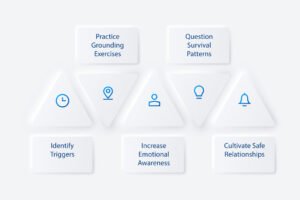
Identify Triggers
Being able to identify trigger situations, people, or memories that bring on freeze trauma response allows for healthier ways of responding.
Practice Grounding Exercises
Grounding exercises aid in connecting to the present moment when you feel you have been taken over by feelings.
Increase Emotional Awareness
Having an increased understanding of what emotions are and what you are feeling aids in your ability to regulate and have increased insight into yourself.
Question Survival Patterns
Survival patterns, which are now the most likely way you know to cope, served a useful function for you at one time. However, the challenge you now face is to learn if they continue to serve you today.
Cultivate Safe Relationships
Safe relationships offer space to practice the principles of trust, communication, and safety. Trauma-informed therapists can help to identify underlying trauma and foster healing.
End Note
Healing from trauma is a process and not an endpoint. It’s the process of feeling safe, gaining resilience, and learning to respond to the threat in new ways. Trauma affects how we think, feel, act, and relate, but recovery from trauma is possible. By recognizing the signs of emotional and physical feelings experienced and by implementing healthy coping strategies, individuals can work toward finding stability again.
The path to recovery may take time, but every step toward self-awareness, support, and growth contributes to meaningful trauma healing and a healthier future. Here at MAVA Behavioral Health, we know how trauma can affect your life and emotions. We can help with personalized mental health care and medication management as you journey through healing.
FAQs
1. What is a trauma response?
A trauma response is the mind and body’s reaction to a stressful, frightening or overwhelming event. These responses may continue to occur long after the event has occurred and can impact emotions, thoughts, behaviors and physical health.
2. What are common trauma response symptoms?
Common symptoms include anxiety, overthinking, emotional numbness, irritability, sleep problems, flashbacks, difficulty concentrating, and feelings of fear or shame.
3. What are the main trauma response types?
The main types, commonly recognized, are fight, flight, freeze, and fawn. These are considered survival responses that assist the body in coping with a perceived threat or danger.
4. Does trauma have physical symptoms?
Yes, its physical symptoms may include headaches, fatigue, muscle tension, digestive problems, a rapid heart rate, dizziness, and sleep disturbances.
5. What impact does trauma have on relationships?
It impact on relationships may include having issues with trust, being afraid of abandonment, emotional withdrawal, becoming a people-pleaser, and having trouble communicating needs and feelings.
6. How can I get started on healing from my trauma?
Trauma healing may include learning healthy ways of coping, having a support network, practicing stress management techniques, increasing self-awareness, and receiving mental health care. MAVA Behavioral Health can provide tailored support and guidance.