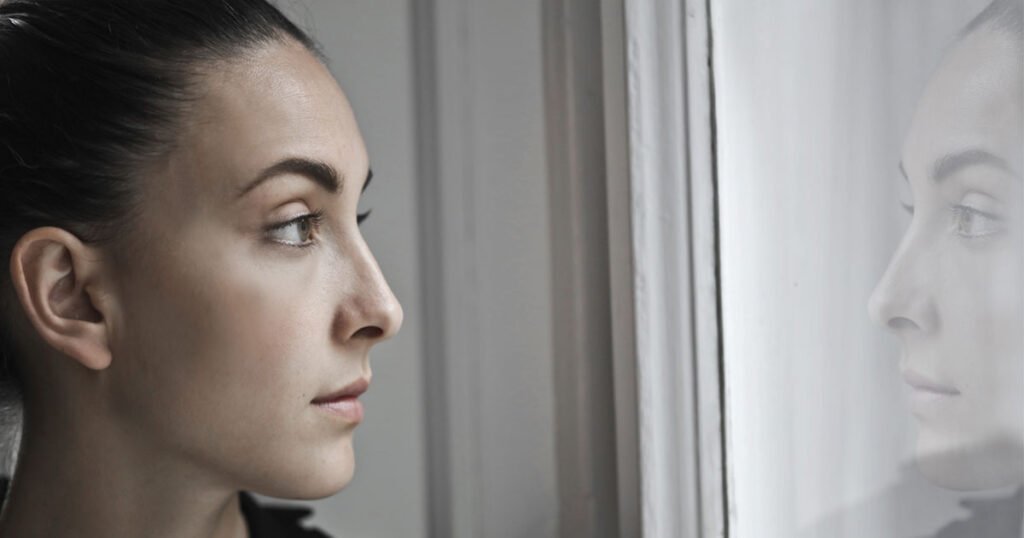

Sleep deprivation psychosis may impact the brain and body. Lack of quality sleep could reduce energy, focus, and mood. The reason that most of us are on a schedule all the time or are stressed is that we disregard the lack of sleep until we are tired, agitated, and tense. Daily tasks are more taxing. Memory and concentration may falter. Good sleep allows the brain to recover and stay emotionally stable and physically healthy. Sleeping for just a few nights may take its toll on energy levels and work motivation.
Similarly, continuous sleepless nights could impair the immune system and increase emotional strain. Sleep issues may reduce work productivity, the health of personal relationships, and the clarity of decisions. Rest is necessary for physical productivity daily.
What is Sleep Deprivation Psychosis?
It is also known as a type of induced psychosis. The individual will experience excessive tiredness, and the brain may not be functioning correctly. So, the individual may experience confusion, fear, or mood instability. Some may experience auditory and visual hallucinations and even have delusional and paranoid thinking. Thoughts may not be clear and can be erratic and difficult to control. Mood changes, anxiety, and panic attacks can occur if sleep deprivation becomes acute.
In addition, the absence of sleep impacts memory, concentration, emotional stability, and the ability to differentiate reality. There can be problems understanding reality. Symptoms could be like those of more severe forms of psychosis or mental illness. However, sleep is important for recovery and balance, and good sleep hygiene and stress management should be incorporated. Psychological treatment should also be sought. MAVA Behavioral Health offers convenient telehealth services for mental health treatment through medication from the comfort of your home.
Sleep Deprivation Psychosis Symptoms
- Hallucinations (seeing or hearing things that aren’t there)
- Auditory hallucinations (hearing voices or noises not perceptible to others)
- Agitation (very emotional and potentially irrationally upset)
- Anxiety/panic (often accompanied by stress and mental fatigue)
- Paranoia (unfounded feelings of suspicion of others)
- Difficulties with concentration and attention (problem with work and daily tasks)
Sleep Deprivation Psychosis Causes
- Going many hours or days without enough sleep might overstimulate the brain and negatively impact the ability to think
- Excessive stress or emotional pressure might make it challenging to unwind properly, mentally and physically
- Extended shifts and lack of healthy sleep habits may gradually deplete mental and physical energy levels
- Anxiety and persistence, rambling thoughts may disrupt the process of deep sleep and negatively impact emotional state over the long-term
- Spending prolonged hours in front of a screen at night can negatively disrupt sleep cycles and impede brain restoration processes
- Certain substances, such as drugs and heavy use of alcohol, may lead to and exacerbation of sleep disorders and mental fogginess
- Long periods of sleep deprivation psychosis might interfere with overall brain functioning and consequently impact mental processing capabilities.
Sleep Deprivation Hallucinations Examples
- Seeing shadows, dark figures, or shapes when nothing is present.
- Hearing footsteps, calls, voices, etc. when the room is empty and silent.
- Feeling like ants are walking on your body when nothing is physically there.
- Spotting people, faces, animals, etc., in the corner of your eye for a moment.
- Seeing dreams like imagery while you are fully conscious and walking around.
- Confusing dreams for real-life circumstances because of severe tiredness.
- Seeing colors, patterns, and shapes on the floor when nothing is there.
- Hearing music playing or tones and sounds that have no origin.
Can Sleep Deprivation Cause Psychosis?
Sleep deprivation hallucinations occur when the body does not sleep for extended periods. The brain grows tired and will begin to confuse what is real with what is imagined. Moreover, a person can see shadows, bizarre figures, or objects in movement that are not there.
Furthermore, sometimes the mind will create false sensations within the body, such as the feeling of insects crawling on the skin or the eerie sensation that someone is there. Confusion and disorientation may occur along with a feeling of being dizzy, while logical thought processes become difficult. Normal noises or lights can appear different or alarming.
Thus, these symptoms can result from severe lack of sleep and will usually vanish once a period of rest is achieved. states that lack of sleep can lead to symptoms like hallucinations, confusion, and impaired thinking in cases of severe sleep deprivation. The article further elaborates on this by stating that the brain may lose the ability to correctly process.
Lack of Sleep Effects on Body and Mind
Low Energy and Fatigue
Lack of sleep will leave the body feeling weak and tired for the entire day. A person may find it hard to remain energetic and perform the everyday tasks expected. Even minimal tasks will be hard to achieve as they make effort and drain all energy from the body which fails to rebuild its energy stores sufficiently.
Weak Immune System
Poor sleep causes the immune system to weaken and be less efficient when fighting infections and bacteria, meaning that a person may become prone to colds and flu. It will take a person longer to recover from illness, leaving them less healthy than usual.
Poor Memory and Focus
The impact of insufficient sleep may be seen in the person’s memory and ability to attend tasks or conversations. They may find they are easily forgetting and find it difficult to concentrate or maintain focus throughout long processes. This is not a desirable state in relation to performing academic or vocational duties. The state of being may cause a loss of clarity in thought and in social interactions.
You may also like to read: Emotional Psychosis Recovery and Treatment
Mood Changes and Irritability
People may report being less able to control their emotions when deprived of sleep. Trivial issues may then seem to be overwhelming problems to be solved, with implications for relationships and everyday life.
Confusion and Mental Disturbance
Sleeplessness may in severe instances lead to thoughts becoming disorganized and a disconnection from reality can result. In extreme cases a hallucination like experience may occur which may involve hearing unusual sounds or seeing things that do not exist or that have altered physical form and appearance. The mind becomes very fragile.
Sleep Deprivation Psychosis Treatment Options
1. Immediate Sleep Restoration
The immediate goal is sleeping normalization. The mind requires sleep to combat the hallucination and confusion. A quiet, dark, and comfortable environment for sleep may be advised. It may be necessary for patients to be admitted to the hospital for sleep if they are acutely ill, where close observation is possible. Normal sleep patterns often bring marked relief in psychotic symptoms.
2. Medication Management
Medication is a crucial part of management. In some situations, short-term medication management of intense psychosis ensures the patient sleeps well, typically in the form of a sedative. Anti-psychotic drugs might also be utilized when hallucinations are marked. It is of utmost importance that these drugs be prescribed with appropriate monitoring from the doctors to ensure safety.
3. Stress and Anxiety Control
High levels of stress worsen sleeping disorders and psychosis. Practicing relaxation skills such as deep breathing exercises and breathing control can prove very beneficial, while a calming bedtime routine can foster mental equilibrium. Minimizing emotional stress is a crucial part of recovery; as a calmer brain allows the brain to heal and repair.
4. Lifestyle and Sleep Hygiene Improvement
Improving sleep patterns is beneficial to long-term recovery. Regular patterns of sleeping, avoiding electronics late at night, and minimizing the intake of caffeine and stimulant products in the evenings, coupled with comfortable sleep conditions, will improve the quality of sleep. Such routines act as safeguards against recurring episodes.
5. Medical Supervision and Follow-Up
Severe instances require constant monitoring from doctors who ensure that the illness is responding positively or returning. Follow-up appointments allow for necessary treatment modification. Support from family also greatly assists the patient through the healing process.
End Note
Psychosis due to sleep deprivation is quite common but should be readily reversible with timely treatment. If the brain does not get the sleep it requires, then it can experience an episode where it may be unable to function properly, resulting in confusion, mood alterations, and visual/auditory disturbances. Therefore, the key to recovery is getting the right amount of rest and reestablishing normal sleep patterns, which in cases of severe sleep deprivation psychosis, require medical intervention and treatment via medication.
Some treatment options by medication at MAVA Behavioral Health under professional supervision are also available, so you may wish to contact them for treatment options that utilize medication.
FAQs
What is sleep deprivation psychosis?
It’s when someone hasn’t had enough sleep for a long time. Their brain gets overworked and starts to malfunction. People can hallucinate (see or hear things that aren’t there) and can be both confused and scared. It typically resolves with sleep.
How long can someone go without sleeping to suffer this condition?
Some people might develop these symptoms after just 2 or 3 days without sufficient rest. The risk escalates the longer an individual stays awake. Individual differences can affect people to different extents, since rest deprivation affects the brain very quickly. Early sleep is crucial.
What are the early symptoms?
Early symptoms may include excessive tiredness and difficulty concentrating. People may feel a sense of disorientation or frustration, and their focus wavers. They can begin to experience feelings of unreality. Sleeping itself will be difficult.
Sleep deprivation psychosis is it dangerous?
Yes, it is. Untreated sleep deprivation psychosis is dangerous since the affected individual cannot clearly perceive reality. This may lead to potentially hazardous behaviors. An individual’s thoughts and judgments may be significantly impaired.
How long does it take to recover?
It may take a few days with sufficient rest. Sometimes people recover much faster than this. If the condition is particularly severe, it could take a bit longer for recovery to take place. The amount of rest is essential for healing. Every individual will differ.