

A condition with the name high-functioning ADHD is often used to refer to people (children, adults, and particularly women) who suffer symptoms of attention-deficit/hyperactivity disorder yet are still able to achieve good performance at school, work, or in their everyday duties. These individuals tend to disguise their plight by being intelligent, determined, routine-oriented, or effective copers, contrary to the classic manifestations of the condition. The high-functioning ADHD is not always noticed; therefore, because their symptoms do not always impair the daily functioning noticeably, it may remain undiagnosed or be mistaken for a long period of time.
In this blog, we are going to discuss what high-functioning ADHD is, what its signs are in adults, women, or children, the difference between it and low-functioning ADHD, and the frequent comorbidities with high-functioning autism.
What Is High-Functioning ADHD?
High-functioning ADHD is not a formal diagnosis but a descriptive term applied to individuals who experience ADHD symptoms and who have a fairly stable level of success in the academic, profession, or social spheres. These people usually come across as responsible and competent, thus making other people not realize the great mental effort that they need to maintain the pace. They might experience difficulties with attention, focus, emotional control, memory, or organization, and cope through perfectionism, strict schedules, long working hours, or being under constant demand.
High-functioning ADHD is often undiagnosed, as it presents as fine. It is only years later, when adults find themselves exhausted or anxious with relationship strain or work challenges, that they find themselves in their state. Children who are high-functioning ADHD can also be termed as lazy, unmotivated, or smart but inconsistent.
High-Functioning ADHD in Adults
High-functioning ADHD adults frequently appear to be ambitious, intelligent, and high-performing; behind the success, though, is a permanent struggle within them. Most adults with functional ADHD extend themselves to extremes to offset attention and executive-function impairment. They may need caffeine, work late hours, or meet a deadline to be productive. Though the performance appears good, the emotional state can be damaged on their part. Common signs in adults include:
- The continuous inability to act in a planned way.
- Inability to control time, priorities, and responsibilities.
- Experiencing panic when things seem to be in order.
- High performance and high burnout or anxiety.
High-Functioning ADHD in Children
A high-level ADHD child could be an academic overachiever, creative, and behave well-mannered, but still has difficulties with attention and emotional control, as well as sensory overload. Teachers often reward knowledge or excellent recollection; thus, the signs can go undetected. Indications of High-Functioning ADHD in Children:
- Distractable even when at the peak in school.
- Covering up perfectionism.
- Problems in changing tasks.
- Easily emotional or easily frustrated.
- Good verbal ability and poor school grades.
- Silent indifference is confused with daydreaming.
Signs of High-Functioning ADHD (General)
Although symptoms vary, the following signs commonly appear across age groups:
- High productivity but extreme mental effort
- Forgetfulness despite strong intelligence
- Difficulty staying organized without external systems
- Hyperfocus on tasks of interest
- Feeling easily overwhelmed
- Irritability or emotional overload
- Imposter syndrome or constant self-doubt
High-Functioning ADHD in Females: Symptoms Often Overlooked
The symptoms of high-functioning ADHD in females do not usually coincide with those of the opposite sex. Inattentive-type ADHD is more common among girls and women as opposed to hyperactivity behavior, thus contributing to the misdiagnosis and subsequent rejection as a result of anxiety, depression, or hormonal imbalance. In females, the symptoms are common and include:
- Meditative daydreaming is confused with being shy.
- Covering up the symptoms through over-organizing.
- Ought to pass disguised through perfectionism.
- Perennial anxiety and emotional vulnerability.
- The inability to say no results in being overwhelmed.
- Social burnout and psychological wearying.
High-Functioning ADHD in Women
Women with high-functional ADHD are often observed to develop the disorder later in life as the level of responsibility mounts. Females can combine their careers, families, and social roles, and cannot pay so easily pay for the symptoms of ADHD. Most women are also internalizing their plight, and they should have the capacity to cope with all things. Common challenges:
- Late, even though they tried their level best.
- This is due to constant multitasking with poor follow-through.
- Forgiving appointments or deadlines.
- Dysregulation of emotions impairs relationships.
High-Functioning Autism and ADHD in Adults
High-functioning autism and ADHD can occur together, creating unique challenges in communication, social interaction, sensory processing, and executive functioning. Adults who experience both may be extremely intelligent yet struggle with routine tasks, emotional regulation, and social cues. Common overlapping challenges include:
- Difficulty maintaining eye contact
- Sensory sensitivities
- Intense focus on specific interests
- Trouble interpreting social signals
- Rigid routines that help maintain control
- Mental overload from daily expectations
ADHD High Functioning vs High Performing ADHD
Though the two are used interchangeably, the slight distinction lies in the fact that ADHD High Functioning only deals with internal symptoms that individuals handle via coping skills.
High performing ADHD are those who are not merely functional, but perform well and often very well, in academic, career, or personal spheres, frequently motivated by hyperfocus, creativity, or ambition.
High-Functioning ADHD Test
A high-functioning test of ADHD normally involves:
- Clinical interviews
- Behavioral questionnaires
- Neuropsychological assessments
- Performance review at school or in the workplace.
Functional ADHD: What Does It Mean?
Functional ADHD is a condition used to refer to persons who continue with their daily responsibilities in spite of the ADHD symptoms. They turn to routine, coping strategies, or prompts or outward support systems in order to remain consistent. These systems assist in establishing order, but they also obscure the intellectual work of everyday activities.
Higher functioning ADHD children can be said to be bright, curious, and capable, and inconsistent. They can excel in areas that they like and evade those that need long-term work. The early intervention increases the long-term outcomes through learning healthy coping skills.
Treatment for High-Functioning ADHD
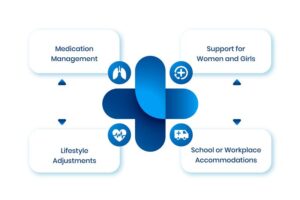
1-Medication Management
Non-stimulant and stimulant drugs may help considerably to focus better, be less impulsive, and have better emotional responses. Listed among the most effective treatments of ADHD in adults and children is medication.
2- Lifestyle Adjustments
These habits help reduce overwhelm and improve consistency.
- Structured routines
- Healthy sleep cycles
- Balanced nutrition
- Physical activity
- Time-management tools
3-Support for Women and Girls
Since ADHD symptoms manifest differently in females, gender-specific support—such as focused on emotional regulation and boundary setting—can be extremely beneficial.
4-School or Workplace Accommodations
Reasonable accommodations like flexible deadlines, reduced distractions, and structured work plans can significantly improve performance and reduce stress.
Final Thoughts
The high-functioning ADHD tends to conceal itself behind the intelligence and hard work, yet the inner struggle remains the reality, and it needs to be addressed. Stress, emotional overload, and performance pressures are forced upon many adults, women, and children, who many silently endure.
Through timely assessment, systematic counseling, and regular treatment, people create healthier habits and gain emotional control. Drug use is also significant to the constant and effective management of the symptoms. MAVA Behavioral Health provides reliable and individualized pharmacological support to enable people to regain concentration and self-esteem. This assistance helps them remain in control of everyday life.
FAQs
What is high-functioning ADHD?
High-functioning ADHD is a situation where an individual experiences ADHD symptoms and can cope with everyday activities and obligations. They seem to be successful, yet they can have an internal problem with concentration, organization, and emotional pressure.
What is the difference between high and low functioning ADHD?
Low-functioning ADHD leads to more apparent problems in everyday life, school, or employment. High-functioning ADHD enables an individual to be well-functioning, yet with coping mechanisms.
Is it possible that children have high-functioning ADHD?
Yes, there is high-functioning ADHD in children. They can perform excellently in school or other creative activities, yet they are unable to concentrate, control their emotions, and do their daily chores.
Does high-functioning ADHD impact women differently?
Yes, there is a tendency for women to be inattentive, emotionally sensitive, and perfectionistic. The long-lasting ADHD can be unnoticed in them due to their ability to conceal the problems through great coping abilities.
What are the treatments for high-functioning ADHD?
The involves medication, coaching, and lifestyle changes such as routine, physical activities, and schedule management. Treatment can be managed with the help of professional advice, including MAVA Behavioral Health.