
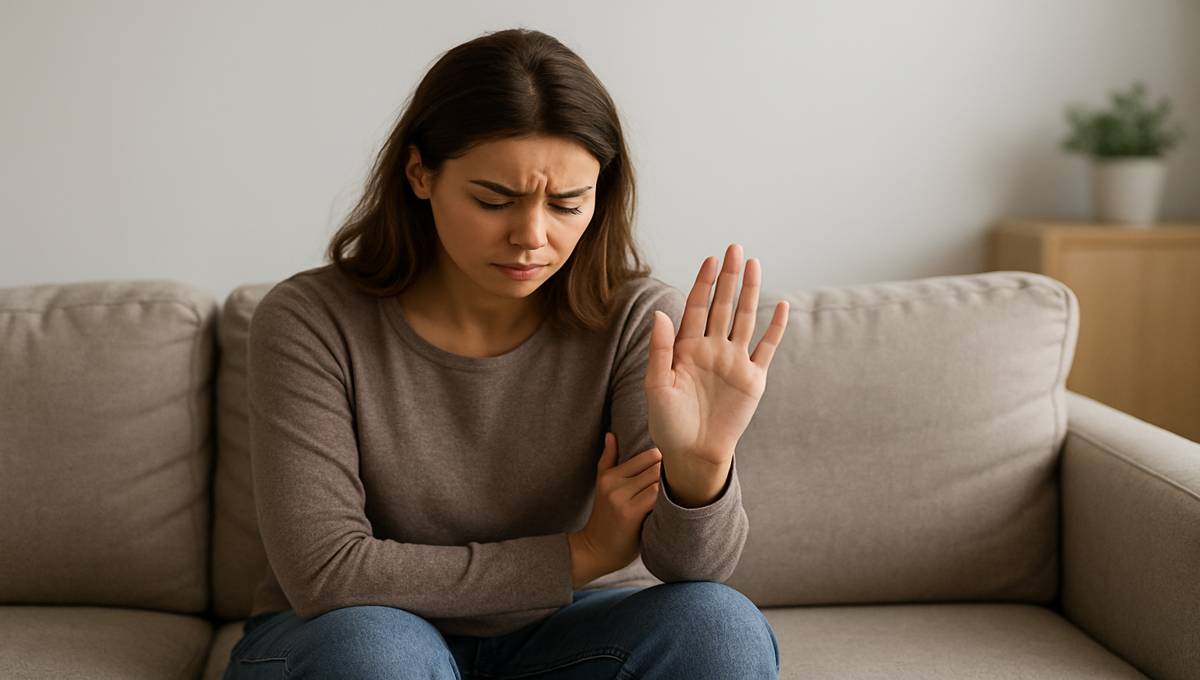
Avoidance behavior can creep in stealthily and steal away your life. You procrastinate and push issues back. You sidestep daunting or challenging situations. At first, this brings relief. You feel a sense of safety because you have created emotional space and spared yourself from anxiety, pain, or stress. Soon, however, this creates even more substantial problems for you. The issues don’t cease but, in time, are augmented. Your self-esteem will take a hit, as will opportunities that you would otherwise seize. Avoiding also impacts your relationships and your general lifestyle.
Unfortunately, numerous individuals have no idea how pervasive this trait has become within their lifestyle. Many confuse avoidance with caution and often tell themselves they are simply waiting for an opportune moment before confronting the situation or the challenge. The problem is that such waiting may only exacerbate the fear, enhance the feeling of helplessness, and make seemingly uncomplicated tasks appear insurmountable, leaving you feeling trapped. By recognizing this pattern of avoidance, you gain the opportunity to break it.
What Is Avoidance Behavior?
Avoidance behavior includes those behaviors in which individuals do something so as to elude an activity, event, or feelings that make them unhappy or anxious. Instead of coming face to face with a problem, there are some people who could have the capacity to avoid or postpone it. This could have given him a sense of relief in the short term, but it can lead to intensification of the problem in the long run.
For example, one can postpone the task to lessen their anxiety or withdraw from social interaction because of a phobia of anxiety; avoidance always brings about a vicious circle. This is not easy to break. Apart from that, avoidance behavior is caused by various factors such as seeking negative affect or a phobia of rejection or failure.
Working on something makes us lose the opportunities to master the skills of management. Instead of avoiding the painful feeling, one can solve the pain to decrease the anxiety and improve self-esteem. For professional support and personalized treatment options, contact us at MAVA Behavioral Health.
Symptoms of Avoidance Behavior
Here are the signs of the avoidance behavior:
- Sticking to your social bubble or avoiding people
- Avoiding any type of argument or difficult talk
- Experiencing panic or unease in unpleasant settings
- Putting off any decisions repeatedly
- Putting problems aside rather than confronting them
- Neglecting duties at work or at home
- Diverting the conversation when awkward subjects come up
- Staying busy all the time to ‘escape’ emotions
- Being reluctant to engage in new tasks for fear of not succeeding
- Needing someone else to cope with stressful tasks and situations
- Experiencing relief only when a situation has been avoided
Warning Signs of Relationship Avoidance
The following are the causes of avoidance behavior of an individual:
- Avoids serious or profound conversations
- Is emotionally unavailable or avoids physical intimacy
- Goes into ‘lockdown’ when a dispute arises
- Seeks solitude to avoid interacting with others
- Avoids commitments and conversations about the future
- Redirects or distracts from emotions when they arise
- Downplays or dismisses issues in the relationship
- Ceases giving affection during difficult or stressful times
What Causes Avoidance Behavior?
The following are the causes of avoidance behavior in an individual:
- Low self-esteem and the worry of making mistakes
- Perfectionist tendencies leading to fear of failure
- Learned responses based on upbringing and environment
- Social anxiety and fear of public disapproval
- Feeling overwhelmed by responsibilities and demands
- Fear of rejection in romantic or social relationships
- A history of several failures decreasing motivation to attempt it again
- Hypersensitivity to criticism and confrontational interactions
Types of Avoidance Behavior
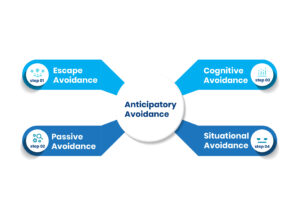
Escape Avoidance
Escape avoidance is a behavior where individuals themselves actively try to remove themselves from the source of a stressful experience or from their suffering in order to overcome any discomfort. Normally, this type of behavior is learned from acute anxiety or fear. In escape avoidance, the individual is creating their own physical separation from the subject causing the discomfort, and relief is experienced in time. In time, it helps a person to assume that avoiding any stress brings him relief; hence, people do not learn to face any discomfort in the long run.
Passive Avoidance
Passively avoiding” refers to the person’s attempt to avoid a situation by doing nothing or not doing anything. It may manifest as procrastination or as refusal to participate in a particular task, which might be the cause of stress. Passive avoidance seems to be people’s first choice to defer facing the awkward moment and might also be found as a source of relief in time. However, it could produce higher levels of anxiety and negative consequences forever if one does not let themselves face the problem.
Cognitive Avoidance
Cognitive avoidance is described as a method by the mind or psyche to distract from or away from undesirable feelings and thoughts. Cognitive avoiders try to suppress or disown feelings, often by thinking about other matters or occupying themselves with other activities. Although this form of avoidance can provide temporary relief from painful feelings, it fails to address their root cause. Over time, cognitive avoidance may lead to anxiety since the underlying feelings would ultimately return. This form of avoidance may also fail to foster healthy emotional coping mechanisms and emotional resilience.
Situational Avoidance
Situational avoidance involves steering clear of places, tasks, and circumstances that instigate fear and discomfort. Such an urge can occur either due to past negative experiences or due to a feared possibility of a negative event recurring. Though a sense of immediate relief may be obtained, growth will be impeded, the feared outcome will become amplified, and eventually a more isolated life may be the outcome.
Anticipatory Avoidance
Anticipatory avoidance refers to situations where people would avoid a situation due to fear or anxiety of what may occur in the future. They tend to think about the worst thing and take preemptive measures to prevent potential failure, rejection, or embarrassment. This is a result of being worried and unsure of what can happen. It might be protective, but it does not allow individuals to face challenges or new experiences. Proactive avoidance may fuel anxiety and restrain an individual.
Avoidance Behavior in Relationships
Relationships involving avoidance occur when individuals steer clear of challenging conversations or emotional intimacy. Such people might sweep problems under the rug, abruptly shift the subject, or remain mute at pivotal times. Their motivation behind avoidance often stems from fears of rejection, judgment, or emotional injury. While it initially maintains peace and harmony in the relationship, it does, however, hinder meaningful connection and authentic expression. Problems are overlooked and slowly develop into a barrier that keeps the partners apart.
Such a pattern tends to erode trust and lead to ambiguity between partners, whereby one feels unnoticed, and the other is cornered or inundated. Lack of communication results in a multitude of misunderstandings and a decline in warmth and intimacy. People who notice this phenomenon can decide to voice themselves incrementally and authentically. Using words that clearly and honestly convey their thoughts can bridge the gap that may exist between them.
Avoidance Behavior Examples
Avoidance is a part of everyday life for many. Here are some common examples:
- Making excuses to miss a party where you won’t know many people.
- Repeatedly canceling a dentist appointment due to a fear of the procedure.
- Changing the subject whenever a friend brings up a past traumatic event.
- Refusing to use an elevator and only taking the stairs, even if it’s 20 floors up.
- Not applying for a promotion because you fear the responsibility or the possibility of rejection.
Avoidance Behavior in Adults
Adult avoidance occurs when a person evades challenging, uncomfortable, or fear-inducing situations. For instance, an adult might procrastinate doing a required task or a demanding conversation or may run away from duties at home and work. This often leads to an immediate sense of release and control and may appear more manageable and less intimidating than addressing issues. In turn, the issue is rarely dealt with appropriately or resolutely and often tends to become more of a challenge later. This can result in problems such as missed opportunities or deadlines, reduced communication, and escalating stress levels.
Furthermore, avoidance also affects self-confidence, interpersonal relationships, and everyday routines. Adults who avoid challenges may feel inadequate or that they are not capable and may be unable to cope with simple everyday tasks. Interpersonal problems will remain unsolved and will further contribute to estrangement. Fortunately, this is not an inescapable characteristic. Verywell Mind defines avoidance behavior as the avoidance of anxious or stressful thoughts, feelings, or situations. Although it provides short-term relief from the stressor, it prolongs the feeling of fear. The individual avoids direct encounters with situations causing discomfort, strengthening anxiety in the long term.
How To Overcome Avoidant Behavior?
Understand Your Avoidant Behavior
The first step to counteracting avoidant tendencies is to understand them. By recognizing them, you will become aware of their effects on your life. In so doing, you will be able to take charge of the root causes and consciously take action to change.
Practice Facing Your Fears Gradually
Begin by exposing yourself to the circumstances that bring about your avoidant behavior in small steps that are easy to handle. Step-by-step exposure will enable you to develop resilience, and the feeling of being overwhelmed with fear will be minimized. This process makes dealing with uncomfortable situations easier over time.
Build Self-Compassion and Self-Acceptance
Rather than blaming yourself because you do not want to be in these situations, use self-compassion. Also, realize that everybody is afraid and insecure, and there is nothing wrong with feeling vulnerable. You can accept your feelings and work on accepting yourself the way you are, without being judgmental. Such self-acceptance promotes emotional development and assists in getting out of avoidance patterns.
Develop Healthy Coping Strategies
Learn to cope with challenging moments by engaging in healthy coping techniques such as mindfulness or journaling instead of avoiding the challenges. These are measures that keep you in the present and enable you to process emotions. Drawing on mindfulness, you will be in a position to separate yourself from preoccupying thoughts that contribute to avoidance.
Seek Professional Help if Necessary
In case your avoidant behavior has a strong influence on your life, therapy can help. A therapist is able to offer professional advice and coping skills that will be specific to your circumstances. In the process of professional help, you will be able to understand more and approach more positive emotional reactions.
Treatment of Avoidance Behavior
Medication Management
Along with medication management, doctors may use this form of therapy for decreasing the feeling of anxiety and stress. Medications help to control emotional responses as well as the ability to focus and increase one’s ability to function on a day-to-day basis. Check-ups with follow-up through telehealth will help determine and adjust dosages of medications.
Initial Evaluation
The first course of action for a professional in the field of mental health is an assessment. They would probe questions of thoughts, emotions, and daily routines as well as look for causes that encourage the avoidance behavior and develop a course of action. They will help tailor this course of action to include talk therapy, possibly medication, and telehealth.
Changes in Life Habits
Modifying certain life routines can help ease symptoms using both therapy and medication. Having good nutrition, getting enough sleep, and regular exercise increases energy levels and helps elevate your mood. Incorporating relaxation skills and handling life events that evoke stress can reduce avoidance. Using telehealth, the individual gradually increases confidence and achieves lasting recovery.
Telehealth Services
Telehealth services simplify the treatment process and allow patients to receive treatment in their own homes. These include therapy sessions and appointments to adjust medications, which allows those who are fearful or hesitant about visiting a clinic. This ensures continuity of care and allows patients and providers to communicate readily.
Closing Note
We recognize avoidance can be overwhelming, and at MAVA Behavioral Health, we want to let you know we have a full treatment plan for you. Our practitioners use a combination of medication management and therapy to treat the causes behind the avoidance behaviors, as well as a treatment plan that targets the specific needs of your symptoms and goals. We work around your schedule, offering both in-clinic and telehealth appointments.
MAVA Behavioral Health is with you every step of the way, with follow-up appointments to re-evaluate the treatment plan accordingly. We are equipped to help you with the smallest, step-by-step actions so that you can slowly begin to face daunting behaviors and feelings with confidence and a reduction of anxiety. You do not have to take this journey on your own; reach out to MAVA Behavioral Health for support to start your road to the happier, stronger you.
FAQs
What is the cause of avoidance behavior?
Avoidant behavior is usually a result of fears or anxiety or some negative experience in the past. Individuals can escape some circumstances because they fear failure, rejection, or pain. Also, it may be an acquired reaction in childhood or the consequence of traumatic experiences.
How to stop avoidance behavior?
The first step to preventing avoidance behavior is to identify when and why you avoid situations. Progressively desensitize yourself to feared situations, engage in self-compassion, and develop more adaptive coping mechanisms.
Does it have avoidance behavior as an indicator of anxiety?
Yes, anxiety is usually a companion of avoidance behavior. When people are anxious about the possible bad things or disapproval, they can avoid the situations that trigger their anxiety. In the long term, avoiding build-up anxiety may inhibit self-development. The combination of both anxiety and avoidance behaviors can be addressed to break the cycle.
Is avoidance behavior a learnable behavior?
Yes, it is possible to learn avoidance behavior using past experiences. When a person has been criticized, rejected, or experienced negative consequences in some circumstances, they might avoid such circumstances as a response to it.
Can I tell whether I am exhibiting avoidance behavior or not?
Some of the signs of avoidance behavior are always postponing or evading activities, refusing to face challenging emotions or situations. When you often find yourself isolating yourself or skipping chores that you have to do, you are possibly being avoidant.