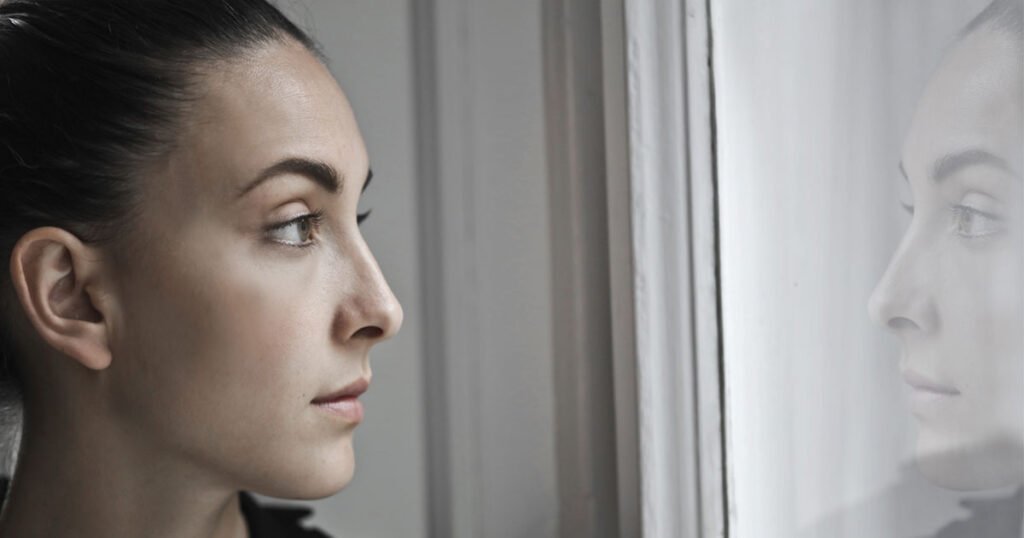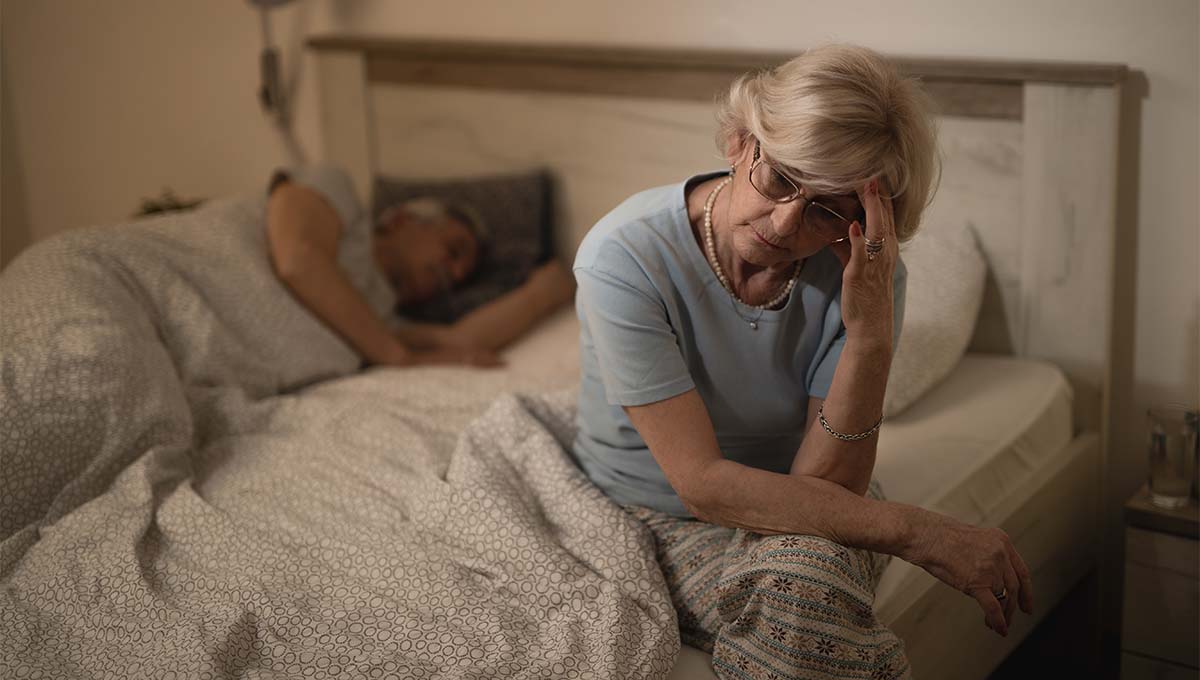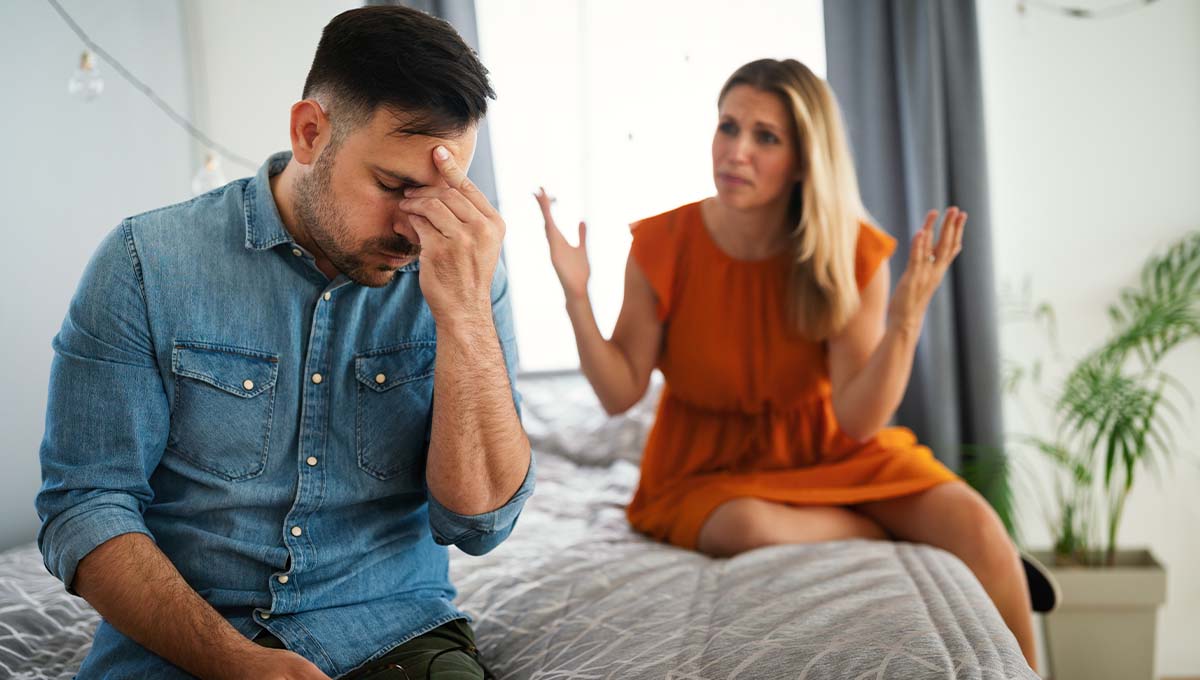
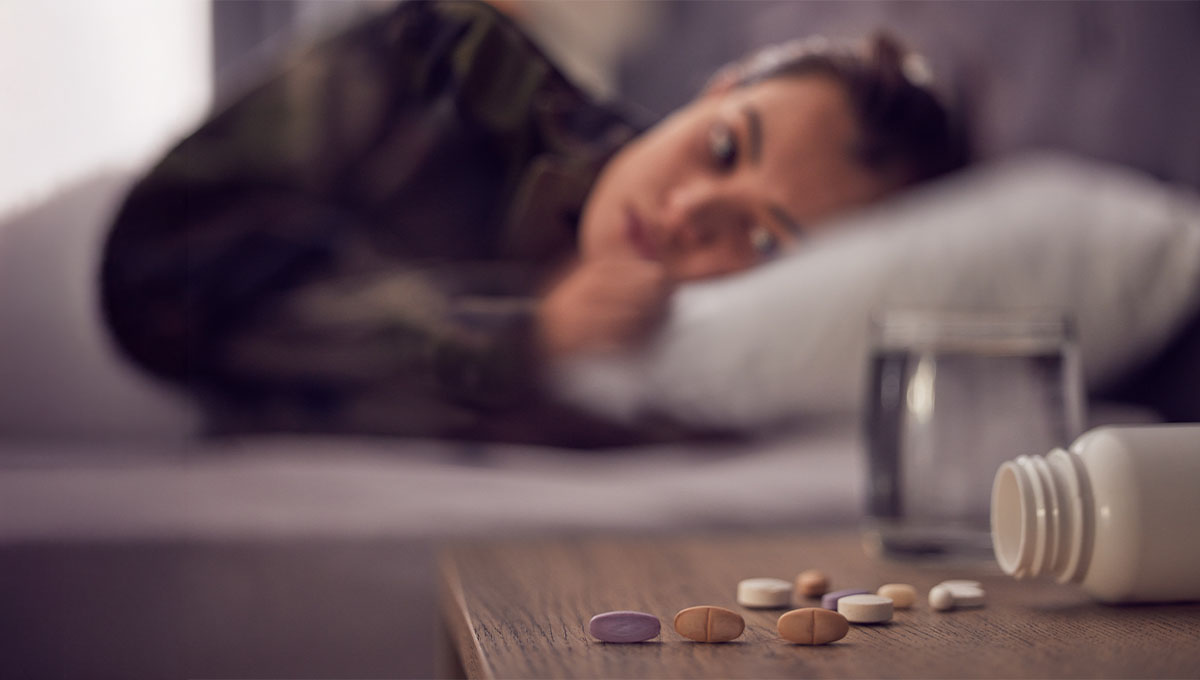
This issue becomes even more pronounced during the night because melatonin for anxiety can make it impossible to switch off the overactive mind and fall asleep. This connection between the two health issues means that many people have been considering using melatonin for anxiety relief.
The brain produces melatonin in response to darkness, controlling sleep-wake cycles and circadian rhythm timing. Melatonin supplementation can be helpful in dealing with certain problems associated with sleep, though the results in chronic insomnia have been inconsistent.
The situation regarding the use of melatonin in dealing with anxiety has not been established yet. Research has found potential positive effects of melatonin on surgery-related anxiety, but it has not proven its effectiveness for anxiety disorder.
What Is Melatonin?
Melatonin for anxiety regulates the body’s internal clock. The brain produces extra melatonin when the amount of darkness around increases, indicating that the body needs to go to sleep.
Melatonin supplements add more melatonin to the body and are often taken to help regulate sleep cycles.
Melatonin is available in several forms, such as pills, capsules, liquid form, and gummies. MAVA Behavioral Health offers telehealth services for anxiety, providing convenient access to personalized mental health support from home. Increased melatonin consumption does not guarantee better sleep or less anxiety. Supplements might be of varying quality too. Studies have shown that some melatonin supplements include amounts of melatonin far different from those listed on their labels.
How Does Melatonin Relate to Anxiety?
It is possible that there is a vicious cycle formed by the interplay between sleep and anxiety. It can be difficult for an anxious person to sleep, and insufficient sleep can make it even more challenging to cope with the stressful experience.
If the cause of insomnia is a disrupted circadian rhythm, then melatonin can help you establish healthy sleeping habits. Good sleep will also be beneficial for coping with the stresses of life.
Nevertheless, it would be wrong to assume that you can use melatonin as a substitute for anxiety medication management just because of its potential to induce sleep. At present, scientific research supports the idea of melatonin’s positive influence on anxiety only in the case of pre-surgery preparations.
Melatonin for Anxiety Insomnia: Can Better Sleep Help?
Where your worry makes you unable to fall asleep, you might look into taking melatonin for anxiety and insomnia. While it can work in some cases in helping one sleep, its effect is highly variable. The research on the effectiveness of melatonin in the case of chronic insomnia has yielded inconsistent results.
The systematic review and meta-analysis indicate insufficient data of any significant benefit of using melatonin in the treatment of chronic insomnia in adults, while according to NCCIH, melatonin can be helpful in certain aspects of sleeping but lacks substantial evidence in the treatment of chronic insomnia. When worry affects sleep multiple times, it may be better to address it rather than simply take sleep aid.
Melatonin for Anxiety at Night
The feelings of anxiety at nighttime become more pronounced as less is left to distract. This includes racing thoughts, physical stress, repetitive worrying, and difficulty with relaxing when going to bed.
As far as melatonin and anxiety at night, the biggest possible function of melatonin would be related to sleeping time rather than the treatment of anxiety.
Having a routine in the evenings could help to preserve the rhythm of melatonin production. Additionally, dimming the lights at night, doing relaxing things, having consistent time for going to bed, and not using screens at night will be helpful too. In case the symptoms of anxiety are frequent, the best course of action would be to visit a therapist.
Melatonin for Anxiety Sleep: What Should You Expect?
Melatonin might affect the cycle of sleeping and waking, but it is not an anti-anxiety agent in the same sense that other drugs are anti-anxiety. You should not hope that melatonin would remove anxious thoughts from your mind or cure the disorder.
Melatonin would make sense as a treatment only when you suffer from sleeping disorders because your sleeping pattern has been changed. Health experts recommend melatonin for treating circadian rhythm disorders like jet lag and shift work sleep problems.
Can Melatonin Help During an Anxiety Attack?
You might look up melatonin for anxiety attack when what you need is something that would help you cope with acute anxiety quickly.
Never consider melatonin an instant solution for anxiety or panic attacks; it mainly aids sleep and circadian rhythms, not acute anxiety relief. If you suffer from acute chest pain, fainting, or difficulty in breathing, do not ignore these symptoms and consider them the results of an anxiety disorder. Seek medical attention at once.
Melatonin for Daytime Anxiety: Does It Make Sense?
Melatonin for daytime anxiety can be misleading since melatonin usually causes drowsiness and impacts circadian rhythm. It is possible to become sleepy during the day from taking melatonin, depending on your sensitivity, dosage, and timing. The elderly can have an elevated level of melatonin in their bodies, which can lead to daytime drowsiness.
In case anxiety is experienced mostly during the day, one should concentrate on discovering the root causes rather than treating daytime anxiety with melatonin. Management of stress, psychotherapy, exercise, sleep, and clinical treatment might prove to be more helpful in that situation.
What Is the Best Melatonin for Anxiety?
When looking for the most efficient melatonin for anxiety, do not forget to consider high-quality products and your needs specifically instead of choosing those with high doses of the substance.
- Choose a reputable company with proper labels.
- Learn the melatonin amount in the product.
- Do not suppose that a bigger dose of melatonin will provide you with better anxiety relief.
- Find a proper form of the substance depending on your health condition.
- Consider potential melatonin interaction with other medications.
- Turn to a specialist in case of chronic illnesses.
What Is the Best Melatonin for Adults With Anxiety?
What would be the best melatonin supplement for people with anxiety problems? It is very difficult to tell which melatonin supplement is the best, as it is all dependent on the reasons. behind the use of melatonin, the time the person prefers going to bed, medications, health conditions, and the person’s sensitivity to medication.
A doctor will guide one on whether it is okay to use melatonin in such a scenario and whether there is another way of dealing with the problem.
Is Melatonin Good for Anxiety and Depression?
Is melatonin helpful for anxiety and depression? Present research does not provide a straightforward answer to this question. Melatonin has biological action connected to circadian rhythm and sleep; scientists investigate a possible link between melatonin, anxiety, and depression. Improvements in anxiety or depressive symptoms have been observed in some populations, yet these results cannot prove that melatonin is a treatment of anxiety or depression.
Melatonin treats anxiety or depression. If you suffer from anxiety and depression, a professional examination may reveal the cause, such as disrupted sleep or the effects of medication. Do not make any changes in your prescribed psychiatric drugs on the basis of the information regarding melatonin without consulting your prescriber.
Melatonin Safety: What Should You Know?
Melatonin use for short periods seems to be safe for many adults, but the long-term safety of the drug needs further investigation. Short-term side effects associated with melatonin use include headache, dizziness, nausea, and drowsiness. However, melatonin can interact with other drugs. Melatonin is known to be a potentially dangerous substance if taken along with blood thinners or by people with epilepsy.
Pregnant and nursing women need to discuss the potential use of melatonin with their physician due to lack of scientific evidence of its safety.
When Should You Talk With a Mental Health Professional?
MAVA Behavioral Health can help you determine the root cause of your anxiety and insomnia problems and provide appropriate mental health treatment.
Consult a professional when you have anxiety that:
- Often occurs and is difficult to control
- Results in sleepless nights regularly
- Causes you to feel panicky and terrified
- Affects your ability to perform at work, study, and do other chores
- Lingers despite changes in your lifestyle
- Can be associated with feeling persistently sad or depressed
Final Thoughts
Although there may be a practical use of melatonin for some sleep disorders and other circadian rhythm disturbances, melatonin and anxiety are all about having reasonable expectations. The current scientific research tends to place more emphasis on practical use in relation to sleep than anxiety itself.
In case when anxiety disrupts your sleep or everyday activities, do not focus on supplements alone, but try to determine what is causing these problems and apply a more holistic strategy.
At MAVA Behavioral Health, you will find out more about your anxiety symptoms, sleep disorders, and treatment options.
1. Which melatonin is best for adults with anxiety?
There is no one brand of melatonin that will be best for every individual adult experiencing anxiety.
2. Could melatonin help with insomnia related to anxiety?
It is possible that melatonin will help the people suffering from insomnia caused by sleep onset problems or circadian rhythm problems. Nevertheless, the information on the effectiveness of the treatment is not sufficient. In case of insomnia caused by anxiety, try to deal with it.
3. Is melatonin useful for anxiety and depression?
There is not enough information to suggest taking melatonin for anxiety and depression. You should visit a doctor to find a proper solution.
4. Is there a chance of feeling drowsy during daytime due to the use of melatonin?
Yes, melatonin might induce sleepiness very soon after its consumption, and in certain cases, this sleepiness might last for a longer duration of time. Therefore, avoid driving or doing activities requiring your complete alertness right after consuming this supplement.
5. Should I take melatonin every night for my anxiety?
Don’t automatically decide to take melatonin every night only because you have anxiety. It’s important to discuss regular intake of this supplement with a health care provider.