

Intimacy, mutual care, and vulnerability are key foundations for a healthy connection. Yet, what can you do if you find yourself pushing for connection with someone who seemingly keeps you at arm’s distance behind an unseen wall? The challenges of emotionally detached people, whether your partner, a parent, a close friend, or even yourself, can lead to frustration and isolation.
Someone’s emotional unavailability might manifest as avoiding conversations and expressing feelings or creating barriers in their relationships. Knowing how to spot the red flags prior can safeguard your emotional health and offer a glimpse into the dynamics you have created.
What is Emotional Unavailability?
Emotional unavailability, at its roots, is an individual’s inability or unwillingness to form strong emotional connections. You can’t or don’t want to share feelings, let his vulnerability out, clearly express love or affection, and keep people at an emotional arm’s length. Emotional unavailability does not necessarily signify that someone simply doesn’t care about the person at the receiving end of their walls.
In many circumstances, emotional distance, at its outset, is simply an emotional safety protocol. Past traumas, the fear of being rejected or hurt, and painful experiences can trigger these barriers and create a person who isn’t able to build healthy relationships or establish trust or intimacy with another human being. So, virtual healthcare provide convenient online access to licensed healthcare professionals for evaluation, counseling, treatment, and follow-up care from the comfort of home.
5 Clear Emotional Unavailability Examples
People put up subtle walls, and it’s often difficult to see them. These are some of the everyday “emotional unavailability” scenarios to watch for when you’re interacting with someone:
- When it is time for a serious discussion or emotional or deeper insights, they will know how to deflect or get a laugh out of it, switch the subject, or think deeply about the issue analytically so as not to have to feel it.
- Too many have a history of short or short-cut relationships: They tend to have histories of a series of “flings, or they break up a relationship as soon as relationships get too serious.
- They clearly set limits on what happens to one’s time and space, keeping you distant from friends, family, and their personal space.
- Struggle to express feelings when asked: When you ask about a person’s feelings in a given situation, or about you, they don’t know exactly how they feel, usually using the words, “I don’t know”, or similar.
What Causes Someone to Be Emotionally Unavailable?
Understanding the root cause does not excuse hurtful behavior, but it provides necessary context. Emotional unavailability usually stems from deeply ingrained past experiences, including:
1. Attachment Styles
Avoidant attachment individuals generally feel insecure when confronted with others because they tend to learn to see the world as being unsafe for relying on others, especially during childhood. Isolate themselves to survive.
2. Past Relational Trauma
After experiencing a big heartbreak, betrayal, or painful divorce, it can cause a person to swear not to let their guard down any further.
3. Childhood Neglect
Shame, denial, or ignorance of emotions in a child’s growing-up experiences helps the person learn to ignore emotional needs.
How to Handle Emotional Unavailability in a Relationship?
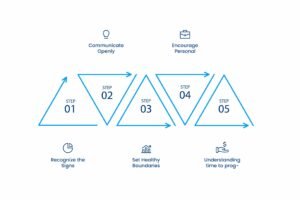
Recognize the Signs
Patterns are there (no discussing emotion, low vulnerability, poor emotional expression, ion etc.). Look for areas of consistency – not just on an occasion. Understanding helps you respond (as opposed to getting frustrated).
Communicate Openly
Be honest and respectful in expressing their emotions without blaming the person. Communicate honestly and sensitively about emotions. Tappas o ousar kites: – Communication brings understanding and trust.
Set Healthy Boundaries
Setting the limit on emotions is important to safeguard the health and dignity of oneself and others. Do not give up on needs for attention/affection. Boundaries are healthy, balanced, needed,nced and promote mutual respect.
Encourage Personal Growth
Try to keep your partner more aware of his feelings, and have candid conversations. Give support, don’t be responsible for fixating them. They are to develop toward permanent progress.
Understanding time to progress
Look back over the relationship and, hw over time, it is meeting or not meeting needs. Even if it’s been hard to connect with others after doing all you could, consider your best interests for the future. Making a choice to take care of your health and body is a matter of dignity.
Treatment Options for Emotional Unavailability
Medication Management
Medication management is not a direct treatment for emotional unavailability, but it may help if underlying mental health conditions, such as depression or anxiety disorders,rders contribute to emotional withdrawal.
Emotional Awareness Practices
Mindfulness, journaling, ling, or daily self-reflection helps people to become more aware and to facilitate the expression of emotions. These methods allow you to gain more insight into emotions and decrease emotional suppression. Regular practice helps to improve relationships with others.
Healthy Communication Skills
Effective communication skills enable people to express their emotions and listen with empathy. Open and kind communication prevents mistrust and misinterpretation. Improve your communication, build a foundation of trust and connection.
Building Secure Relationships
Relationships of trust, consistency, and respect can help to start the dialogue to lessen emotional barriers over time. Positive relationship experiences allow people to be vulnerable being supported safely. As time passes, these good relationships help to foster long-term emotional development.
Final Thoughts
It’s not always easy to deal with an emotionally unavailable partner. You may be able to be supportive and understanding, but you can’t make someone else change. When you identify your own emotional unavailability examples, choose to behave in ways that are agreeable to your personal emotional needs and self-worth.
Breaking emotional patterns is not something that can be accomplished quickly with no assistance. If you or someone you care about finds it difficult to make it through them, then therapy is a safe environment to explore and address the wounds of attachment and establish healthier patterns of relationships.
Emotional health is the basis for well-being, and MAVA Behavioral Health has a deep respect for this. Our mental health and addiction professionals are available and here to help you find freedom from difficult relationship behaviours. Please call us today to find out more about how we can meet your needs.
FAQs
Can an emotionally unavailable person fall in love?
Yes, they can experience deep feelings and fall in love. However, they struggle to sustain the vulnerability and intimacy that a healthy relationship requires, which often causes them to pull away when things get serious.
How do you test for emotional unavailability?
You do not need an official test; instead, observe their behavior over time. Look at how they handle conflict, whether they share personal stories, and how they react when you express deep emotions or request a commitment.
What are some everyday emotional unavailability examples?
Common emotional unavailability examples include canceling plans when things feel too intimate, avoiding relationship labels, refusing to talk about the future, and keeping conversations entirely surface-level.