Separation is an ordinary aspect of life. Separation anxiety can happen to a child going to school for the first time, a toddler at daycare, or an adult spending time away from a loved one; feeling somewhat uncomfortable during the separation is common. However, these feelings, being intense, persistent, and interfering with day-to-day life, can be a sign of separation anxiety.
The separation anxiety does not apply only to children. It is an anxiety disorder that many adults feel when they are not with someone they very much need. This knowledge of the symptoms, causes, and coping mechanisms can help individuals and families manage these sentiments in healthy ways.
This article examines the meaning of separation anxiety, its signs and symptoms, anxiety in adults and children, and how one can cope with separation anxiety in relationships and daily living.
What Is Separation Anxiety?
Separation anxiety refers to a psychological disorder that exhibits an extreme fear, worry, or distress in cases where the individual is not with the one they strongly feel connected to. This attachment figure may be a parent, caregiver, spouse, partner, or close family member.
Although a mild form of anxiety is normal at some developmental stages, particularly in children, chronic anxiety that disrupts normal day-to-day functioning may be termed separation anxiety disorder.
- Children and toddlers
- Teenagers
- Adults
- Romantic relationships
As an illustration, a person with anxiety with a partner might always be worried about the safety of their partner, distressed when they are not together, or they do not want to do anything that would cause them to be separated.
Separation Anxiety Symptoms
Recognizing separation anxiety symptoms is important for identifying when normal emotional attachment becomes excessive or problematic. Common signs of separation anxiety include:
- Excessive fear of being away from loved ones
- Constant worry about losing or harming the attachment figure
- Difficulty sleeping alone
- Nightmares related to separation
- Physical symptoms such as headaches or stomachaches
- Refusal to attend school, work, or social events due to fear of separation
- Persistent need for reassurance from loved ones
In adults, separation anxiety disorder symptoms may include obsessive thoughts about a partner’s safety, panic when they are unavailable, or extreme discomfort when apart for long periods. These symptoms can significantly affect relationships, daily routines, and emotional well-being.
Separation Anxiety Disorder
Separation anxiety disorder is a psychiatric disorder where the fears of separation are over-expressed and continuous even when they are not appropriate for the age.
This disease is also suitable for children and adults and is marked by:
- Extreme emotional pain at the time of separation.
- Fear of losing the people one loves.
- Problem with working alone.
- Avoidance of those situations that entail separation.
For example, a patient with anxiety disorder can fear traveling, have social events or work obligations, in case it involves not being with their loved partner. Professional mental health support can be used when the symptoms disrupt normal living.
Separation Anxiety in Adults
Separation anxiety is often considered to occur in childhood, and the anxiety in adulthood is being more and more acknowledged. In adults, anxiety can be triggered by the feeling of being apart from:
- A romantic partner
- A spouse
- A close family member
- A child
Anxiety with the partner may be accompanied by continuous texting, abandonment fear, or emotional discomfort during traveling or spending time without the partner. Common triggers include:
- Past trauma or abandonment
- Insecure attachment styles
- Relationship insecurity
- Major life transitions
Adults who feel separated from their spouse can also experience excessive worry when their spouse is absent from work, while traveling, or during social activities.
Separation Anxiety Relationships
Separation anxiety in relationships can be challenging for both partners. When one partner struggles with separation anxiety, it can create emotional pressure, misunderstandings, or dependency in the relationship.
Common relationship challenges include:
- Excessive need for reassurance
- Fear of abandonment
- Difficulty spending time apart
- Jealousy or insecurity
- Emotional dependence
However, with awareness and communication, couples can learn how to deal with anxiety in relationships while maintaining a healthy connection.
Separation Anxiety in Couples
Separation anxiety in couples occurs when one or both partners experience distress when apart.
In separation anxiety couples, the anxious partner may:
- Constantly check in with the other partner
- Feel uneasy when the partner spends time with friends or colleagues
- Avoid situations where they must be apart
- Fear that distance means loss of love or commitment
Healthy relationships require both closeness and independence. Learning to balance emotional attachment with personal space is essential for long-term relationship health.
Separation Anxiety from Partner or Spouse
Separation anxiety from a partner can develop due to emotional dependency or fear of abandonment.
Some individuals may feel overwhelmed when their partner travels, works late, or spends time away from home. Common behaviors include:
- Repeated phone calls or messages
- Anxiety when a partner does not respond quickly
- Feeling lonely or unsafe when apart
- Difficulty enjoying personal activities alone
Understanding the emotional roots of anxiety with a partner can help individuals work toward healthier emotional patterns.
Separation Anxiety in Children
Separation anxiety among children is an ordinary developmental process, especially at an early age. A lot of children feel traumatized when they are away from the care of their parents or caretakers.
This anxiety normally takes place between 6 months and 3 years old, and as such improves as children grow. Typical behaviors include:
- Crying when a parent leaves
- Clinging to caregivers
- Fear of being alone
- Problem sleeping alone.
Most children have the capacity to overcome such behaviors; however, the continued or severe anxiety might necessitate the assistance of the caretaker or other professionals.
Toddler Separation Anxiety
Separation anxiety with the partner may be accompanied by continuous texting, abandonment fear, or emotional discomfort during traveling or spending time without the partner. In adults, anxiety can be triggered by the feeling of being apart from:
- A romantic partner
- A spouse
- A close family member
- A child
Common triggers include:
- Past trauma or abandonment
- Insecure attachment styles
- Relationship insecurity
- Major life transitions
Adults who feel separated from their spouse can also experience excessive worry when their spouse is away for work, travel, or social events.
Acknowledgement of such patterns is the initial step towards developing healthier emotional independence.
How to Deal with Separation Anxiety?
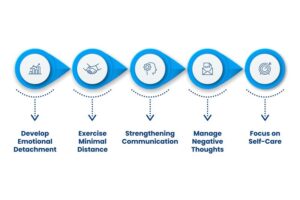
Develop Emotional Detachment
Developing emotional independence is a signifigccant process towards dealing with separation anxiety. Being separated will be too much when people are so totally dependent on a single person to provide emotional comfort. The creation of individual hobbies, social networks, and interests will help foster a sense of self beyond the relationship. Reading, exercising, acquiring new skills, or visiting friends are some activities that can boost confidence and reduce emotional dependency. This independence builds self-esteem over time and makes one feel much safer, even in the absence of loved ones.
Exercise Minimal Distance
Gradual separation is useful as a method of diminishing the severity of separation anxiety. Rather than avoiding time apart, start with a short, manageable period. For example, you could spend some time away and gradually extend the time to help the mind adapt to independence. In this way, people can understand that being separated does not break the relationship or connection. Developed over time, positive experiences of safe separation develop emotional resilience and minimize anxiety about separation from a partner or loved one.
Strengthening Communication
Communication is healthy in dealing with anxiety in relationships. Honest and open communication helps partners understand each other’s fears, concerns, and emotional needs. When both people express reassurance and trust, it reduces insecurity and emotional tension. Frequent interaction also contributes to the creation of boundaries and respect for individual space. Through positive communication, couples can remain emotionally attached even when physically separated.
Manage Negative Thoughts
Anxiety can also have bad or disastrous thoughts, like fear of something bad happening to a loved one. One can learn to question these thoughts, and it will help in reducing anxiety. Instead of dwelling on the worst, people can engage in training to avoid it and center their thinking on a realistic, balanced approach. Mindfulness, journaling, or cognitive reframing techniques are ways to identify irrational fears and develop healthier thinking patterns. With practice, they can handle such thoughts with greater ease and less emotional distress during the separation.
Focus on Self-Care
Self-care is critical in the promotion of emotional health in the context of separation anxiety. Exercise can involve physical and mental activities to help relax and overcome stress. Emotional balance can be greatly enhanced through exercise, meditation, deep breathing and a healthy routine. Self-care also encourages people to focus on themselves and their well-being rather than on separation. When taken care of, people become more emotionally stable and can cope better when they are away from loved ones.
How to Deal With Separation Anxiety in Relationships
Learning how to deal with anxiety in relationships involves strengthening both personal confidence and relationship trust.
Helpful approaches include:
- Building trust through open communication
- Respecting personal space and independence
- Practicing emotional self-regulation
- Setting healthy boundaries
- Seeking therapy when anxiety becomes overwhelming
Healthy couples support each other while maintaining individual identity.
How to Handle Separation Anxiety in Children
Parents often wonder how to handle separation anxiety in children. While it can be challenging, several supportive techniques can help children adapt.
- Children feel safer when daily routines are predictable.
- Avoid prolonged or emotional goodbyes, as they can increase distress.
- Favorite toys or blankets can help children feel secure when they are apart from their parents.
- Praise children for small successes when they handle separation well.
How to Deal with Daycare Separation Anxiety?
Starting daycare can trigger daycare anxiety in young children. Parents can help by:
- Visiting the daycare together before the first day
- Creating a goodbye routine
- Staying calm and positive during drop-off
- Trusting caregivers to support the child
Over time, most children adjust and become comfortable in their new environment.
Final Thoughts
Separation anxiety can affect people of all ages, from toddlers experiencing their first moments away from parents to adults navigating emotional attachments in romantic relationships.
Understanding separation anxiety symptoms, recognizing signs of separation anxiety, and learning how to deal with anxiety in relationships can help individuals develop healthier emotional connections and independence.
Whether it occurs in children, couples, or adults, anxiety is manageable with awareness, supportive relationships, and the right coping strategies. With patience and guidance, individuals can build confidence, trust, and emotional balance while maintaining meaningful connections with the people they love. At MAVA Behavioral Health, individuals struggling with separation anxiety can receive professional guidance and treatment through medication tailored to their specific needs.
FAQs
When does separation anxiety start?
Separation anxiety typically begins between 6 and 8 months of age and peaks around 14 to 18 months in infants. Most children gradually outgrow it as they develop independence and social confidence.
Can you get separation anxiety from your partner?
Yes, adults can experience anxiety from a partner or spouse. Emotional dependency, attachment styles, and relationship insecurity can contribute to anxiety when partners are apart.
How to cope with separation anxiety from a spouse?
Coping strategies include improving communication, building personal independence, managing anxious thoughts, and focusing on self-care activities. Relationship counseling also helps strengthen emotional security.
How to deal with separation anxiety from a partner?
To deal with separation anxiety from a partner, focus on developing trust, maintaining personal interests, practicing healthy communication, and addressing underlying fears of abandonment or insecurity.