

Living with PTSD can feel like being trapped in a never-ending loop of fear, anxiety, and flashbacks. The right medication can be a game-changer, helping to calm the mind, improve sleep, and reduce the intensity of intrusive thoughts. At MAVA Behavioral Health, we understand that every person’s experience with PTSD is unique, which is why treatment is tailored to your specific symptoms and needs. From antidepressants to other evidence-based options, medications can restore balance to your brain chemistry and make daily life more manageable. Combined with professional guidance, consistent monitoring, and a supportive environment, PTSD medication empowers you to reclaim control, find relief, and start moving toward a calmer, more confident future.
What is the Best Medication for PTSD?
The optimal choice of medications to use in Post-Traumatic Stress Disorder is dependent on the symptoms and health history of an individual. Selective Serotonin Reuptake Inhibitors (SSRIs) are drugs commonly prescribed by physicians to assist in reducing anxiety, as well as fear and upsetting thoughts. These drugs allow regulating the proportions of chemicals in the brain to make an individual less nervous and think better. In other instances, physicians can also prescribe other drugs that can assist in sleeping, mood swings, or feeling nervous about everything.
During medication, one should remain connected with a psychiatrist. The frequent visits assist in the dose adjustment according to the person’s feelings. The right plan is that which makes many people observe fewer symptoms and improved emotional control. With time, treatment may assist in the development of a more stable and peaceful everyday life, which will make it easier to deal with stress and triggers.
Types of Therapy for PTSD
Cognitive Behavioral Therapy (CBT)
Cognitive Behavioral Therapy is concerned with reversing negative thoughts and behaviors that are associated with trauma. It makes individuals appreciate the impact of their thoughts on their emotions and behavior. Patients are trained to substitute unhealthy thoughts with healthy thoughts. The coping skills to deal with stress and anxiety are also taught during this therapy. In the long run, it will assist in the elimination of fear and will enhance emotional regulation.
Extended Exposure Therapy (PE)
The therapy of prolonged exposure assists individuals in confronting their trauma in a safe and controlled manner. The patient gradually discusses the painful memories with a therapist instead of trying to avoid them. This will aid in eliminating fear and emotional distress. The memories get to feel less overwhelming due to repeated exposure. It assists individuals in feeling confident once more and in being able to control their responses.
Eye Movement Desensitization and Reprocessing (EMDR)
EMDR treatment involves eye movements with the recollection of traumatic experiences. This is one of the processes that assist the brain in reworking the distressing experiences in a healthier manner. It minimizes the intensity of the emotions of such memories. The sessions usually trigger patients less. EMDR is effective even without a detailed discussion of the trauma.
Cognitive Processing Therapy (CPT)
Cognitive Processing Therapy assists individuals in gaining insights and altering adverse beliefs that were brought about by trauma. It pays attention to the impact of trauma on self, others and the world’s thoughts. Patients are taught to refute and correct negative thinking habits. This assists in minimizing guilt, shame and fear. With time, it enhances mood equilibrium and cognition.
Stress Inoculation Training (SIT)
Stress Inoculation Training is an applicable skills training that is taught to deal with stress and anxiety. It has relaxation methods, breathing methods and positive thoughts. Patients are taught how to cope with triggers and to minimize emotional responses. This therapy creates confidence in coping with stressful situations. It partially assists in enhancing coping and daily functioning.
Group Therapy
Group therapy presents individuals who have encountered a common trauma. It is an easy place to express emotions and experiences. Isolation may be minimized by listening to others. Patients find out coping strategies through each other. This system of support is a way to create trust, bond, and emotional healing.
PTSD Medication for Nightmares
Nightmares are a typical symptom of post-traumatic stress disorder and may disrupt sleep and exacerbate anxiety. Physicians normally administer drugs that aid in minimizing the severity and occurrence of these unpleasant dreams. Prazosin is the most common medication used, and it relaxes the blood vessels and reduces the stress level of the body when one is asleep. It has been recorded that many of the patients have reduced nightmares and improved sleep quality.
Other antidepressants such as Sertraline or Paroxetine can also be used in other instances to alleviate general PTSD symptoms, even sleep disorders. Depending on the needs of an individual, doctors can contemplate using other medications, particularly when anxiety or insomnia is of a severe nature. One should collaborate well with a psychiatrist to identify the most appropriate option and dose. Through the appropriate treatment, patients will be able to have peaceful nights and rest as well as have enhanced daily functionality.
Best Medication for PTSD and Anxiety
The most effective drug to use in Post-Traumatic Stress Disorder and anxiety would depend on the way a person feels and the symptoms experienced. Selective Serotonin Reuptake Inhibitors such as Sertraline and Paroxetine are often used by doctors since they assist in reducing fear, worry and negative thinking. These drugs act by the normalization of the brain chemicals that influence mood and stress. They are also able to enhance sleep, lessen panic and make an individual feel more in control. Gradually, others find that they become much more relaxed and secure in their life routines.
In other instances, physicians can also incorporate additional drugs to control certain symptoms. Prazosin, by way of example, can be used to treat nightmares and improve the quality of sleep. Others might require the use of anti-anxiety medication as a momentary reliever, particularly when one is under a high level of stress. Close liaison with a mental health professional is essential to determine the appropriate type of medication and an appropriate dose. Follow-ups can also be used regularly to monitor progress and implement changes as necessary. Through the appropriate medication regimen, individuals will be able to have their symptoms under control, be less afraid and live a healthier and more harmonious life.
How to Diagnose PTSD?
Initial Screening
It is initiated by the first screening during which the patient communicates his or her experiences, symptoms, and traumatic experiences. The healthcare providers will inquire about the distressing memories, nightmares, flashbacks, or avoidance patterns. This assists in determining the patterns, which can be used as indicators of PTSD. Structured information could also be collected through screening tools or questionnaires. Timely diagnosis enables the providers to anticipate further evaluation actions.
Symptom Assessment
Providers determine the nature, severity, and length of symptoms. This consists of the presence of anxiety, irritability, emotional numbness and hypervigilance. The persistence of the symptoms should not take less than one month to be considered sufficiently diagnostic. The providers also consider the impact of these symptoms on daily life, work and relationships. One of the most important steps in identifying the distinction between PTSD and other mental disorders is the accurate assessment of the symptoms.
Past Medical and Mental Health History
Proper examination of medical and mental health history will be useful to eliminate other reasons for symptoms. Providers enquire about previous diagnoses, medications, substance use, and family mental history. The step would guarantee a holistic picture of the patient. Past stressors, stress and coping mechanisms are also taken into consideration. The history gives context upon which correct diagnosis and treatment planning can be done.
Diagnostic Criteria Check
Clinicians put the symptoms of the patient against the accepted diagnostic criteria, including those found in the DSM-5. They seek exposure to trauma, re-experiencing, avoidance, negative mood swings and hyperarousal. The conditions are used to verify that the symptoms are in line with PTSD. Providers also investigate the severity and effect on daily functioning. Formal diagnosis requires meeting all the requirements.
Ongoing Monitoring
The diagnosis mostly requires overtime tracking of symptoms to be done. It is through the providers that changes in severity, triggers, and response to any form of treatment are observed. Follow-up assessments can be used to provide a check of correctness and inform the choice of medication. When observed, co-morbidities that might require attention are also detected. The regular observation will assist in creating a personalized, efficient treatment plan against PTSD.
PTSD Treatment Methods
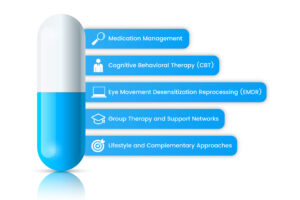
1. Medication Management
Doctors often prescribe medications like selective serotonin reuptake inhibitors (SSRIs) or serotonin-norepinephrine reuptake inhibitors (SNRIs) to help reduce symptoms such as anxiety, depression, and intrusive thoughts. Medications may also target sleep disturbances or irritability. Each patient receives a tailored plan based on their symptoms and medical history. Regular monitoring ensures the medicine works effectively and side effects are minimized. Medication can be used alone or alongside therapy for better results.
2. Cognitive Behavioral Therapy (CBT)
CBT helps patients recognize and change negative thought patterns and behaviors linked to trauma. It teaches coping strategies to reduce anxiety and improve emotional regulation. Exposure therapy, a form of CBT, gradually confronts trauma-related triggers in a safe environment. Patients learn to reframe distressing memories and regain control over their reactions. CBT is evidence-based and often considered a frontline treatment for PTSD.
3. Eye Movement Desensitization and Reprocessing (EMDR)
EMDR uses guided eye movements or other bilateral stimulation to help the brain process traumatic memories safely. The therapy reduces emotional intensity associated with traumatic events. Patients focus on distressing memories while following structured cues from a trained therapist. EMDR can help diminish flashbacks, nightmares, and intrusive thoughts. Multiple sessions are usually needed for optimal results.
4. Group Therapy and Support Networks
Group therapy allows individuals with PTSD to share experiences and coping strategies in a safe, supportive setting. Peer support can reduce feelings of isolation and provide validation. Sessions may focus on stress management, communication skills, or trauma education. Connecting with others facing similar challenges helps reinforce healing. Group therapy often complements individual treatment approaches.
5. Lifestyle and Complementary Approaches
Healthy lifestyle habits can improve PTSD outcomes. Regular exercise, mindfulness practices, and proper sleep can reduce stress and enhance resilience. Techniques like yoga, meditation, or relaxation exercises help regulate the nervous system. Avoiding alcohol or drugs supports emotional stability. Lifestyle interventions are best used alongside professional treatment for comprehensive care.
Telehealth Services for PTSD at MAVA Behavioral Health
At MAVA Behavioral Health, treatment of PTSD is effortless and convenient through telehealth services, as you are comfortable in your own homes. It is possible to hold a session with certified mental health providers and discuss medication, frequent check-ins, and advice without the necessity to drive to an office. Telehealth will provide people with tight schedules or mobility difficulties with the opportunity to receive regular care. Patients can talk about such symptoms as anxiety, intrusive thoughts, and sleep disturbances in a non-judgmental and safe setting.
These online meetings will enable your providers to observe your progress closely, make amendments to medications when required, and provide effective coping mechanisms to manage stress and trauma. Patients get individualized treatment plans because of secure video calls, which were designed according to their needs. We are also prescribing mental health medication to aid in recovery and symptom management.
Medication management services at MAVA Behavioral Health
At MAVA Behavioral Health, our medication management services are designed to provide personalized, comprehensive care for individuals experiencing mental health challenges. We understand that each patient’s needs are unique, which is why our team of experienced psychiatrists and mental health providers carefully evaluates your symptoms, medical history, and lifestyle before creating a tailored medication plan.
List of Medicines for PTSD Prescribed by MAVA Behavioral Health
Selective Serotonin Reuptake Inhibitors (SSRIs)—Often considered first-line treatment to reduce anxiety, depression, and intrusive thoughts. Examples include sertraline (Zoloft) and paroxetine (Paxil). Our providers offer personalized telehealth services and medication management for patients living with PTSD (Post-Traumatic Stress Disorder).
- Serotonin-Norepinephrine Reuptake Inhibitors (SNRIs)
- Prazosin
- Benzodiazepines
- Mood Stabilizers
- Atypical Antipsychotics
- Adjunctive Medications
Final Thoughts
PTSD may greatly affect day-to-day lives, yet with proper medication, it becomes treatable and allows one to cope with the symptoms and the general well-being. In MAVA Behavioral Health, our providers are concerned with developing an individualized medication regimen to address anxiety, depression, sleep disturbances, and intrusive thoughts. Constant observation is done to ensure every patient is being given the appropriate dosage and modifications where necessary, to ensure safety and effectiveness of treatment.
The restoration of the balance and long-term recovery can be achieved through medication-only or medication in combination with lifestyle strategies. The patients also receive information on how they can cope and manage the symptoms, and they are therefore in control of their lives. Treatment with medication through MAVA Behavioral Health is comfortable, closely controlled, and unique to the needs of everyone, and it offers a way to a stable state, comfort, and a better mind.
FAQs
1. What is the best medication for PTSD?
There is no single best medication for Post-Traumatic Stress Disorder. Doctors often use SSRIs like sertraline or paroxetine based on symptoms. The right choice depends on the person’s condition and response.
2. Do medications completely cure PTSD?
No, medications do not cure PTSD. They help reduce symptoms like anxiety, nightmares, and depression. Therapy and medication together give the best results.
3. How long does PTSD medication take to work?
Most medicines may take 2 to 6 weeks to show improvement. Some symptoms may improve earlier, but full benefits take time. Regular use is important for the best results.
4. Can PTSD medication help with sleep problems?
Yes, some medications like Prazosin help reduce nightmares and improve sleep. Doctors may also adjust antidepressants to support better rest.
5. Are there side effects of PTSD medications?
Yes, some people may experience mild side effects like nausea, headache, or tiredness. These usually improve over time. A doctor can adjust the dose if needed.
6. Should PTSD medication be stopped suddenly?
No, stopping suddenly is not safe. It can cause withdrawal symptoms or the return of PTSD symptoms. Always reduce or stop medication under a doctor’s guidance.