

Brief Psychotic Disorder can feel sudden, intense, and deeply confusing for both the person experiencing it and loved ones. Reality may seem distorted, thoughts may feel overwhelming, and emotions may shift quickly without warning. Although the episode appears alarming, this condition often lasts for a short period and responds well to timely care.
Similarly, stressful life events, emotional trauma, or significant changes may trigger these symptoms, making early support essential. With proper psychiatric evaluation and structured treatment, clarity and emotional balance can return. Understanding Brief Psychotic Disorder helps reduce fear, encourages compassion, and highlights the importance of seeking professional help as soon as symptoms begin to disrupt daily life and personal well-being.
What is Brief Psychotic Disorder?
Brief Psychotic Disorder is a psychiatric disorder that makes a person lose touch with reality. The individual can also have hallucinations, delusions or disordered cognition, in the short term. These symptoms tend to come fast and may be either severe or terrifying. Nevertheless, the episode typically takes several days to several weeks, and the individual usually goes back to their normal functioning state. This condition may be caused by stressful events, emotional trauma or significant changes in people.
The disorder may influence the manner in which an individual thinks, feels, and acts at the time of the episode. The person would find it hard to make sense of what is real and would behave in a manner that would be strange or difficult to comprehend. Recovery can be complete with appropriate care, support and treatment. Professional assistance and early intervention can lessen the distress and assist the individual to become stable and confident.
Brief Psychotic Disorder Symptoms
The symptoms of the psychotic disorder include the following:
- Hallucinations (hearing or seeing things that are not there) suddenly.
- The quick shift of emotions, e.g., excessive fear, sadness, or anger.
- A strange or weird behavior that does not appear normal.
- Problem with articulation or inability to express ideas.
- A sense of being alienated either with oneself or the surroundings.
- Restlessness or agitation in the episode.
Causes of Brief Psychotic Disorder
Here are the causes of a psychotic disorder:
- Heavy emotional or physical stress, including the death of a loved one.
- Accidents, abuse, and other traumatic experiences.
- Significant life events, such as relocation, unemployment, or relationship issues.
- Change of hormone, such as pregnancy or postpartum.
- Use of substances such as alcohol, drugs or withdrawal symptoms due to some medication.
- Comorbid mental illness, e.g., mood disorders or anxiety.
Brief Psychotic Disorder Vs Schizophrenia
Brief Psychotic Disorder and schizophrenia are both mental disorders that influence the perception of reality in a person, but vary in duration and the extent of the disorder. ThBrief Psychotic Disorder is a short-term experience of hallucinations, delusions or disordered thinking that happens suddenly and lasts a very short duration, not more than one month. The individual tends to heal completely once the episode has stopped, and the symptoms are manifested soon, which may frequently be provoked by stress and trauma.
Schizophrenia, in its turn, develops over time and lasts far longer. It is a chronic-based disease characterized by hallucinations, delusions, disordered thought, and withdrawal. In comparison to Brief Psychotic Disorder, schizophrenia usually involves long-term therapy and assistance to address the symptoms. Both disorders influence everyday life, but schizophrenia has a more profound impact, whereas Brief Psychotic Disorder may be temporary and reversible.
Delusional Disorder Vs Brief Psychotic Disorder
Symptoms of a short psychotic episode can be treated with medication. Doctors frequently prescribe antipsychotic medicine to decrease the number of hallucinations, delusions, and disorientation of thought. These drugs aid in the stabilization of thoughts and emotions, and the individual is able to regain some sanity and calmness. The process of treatment is short-term, based on the severity of symptoms and response.
In other instances, prescription of an anti-anxiety drug may also be recommended by the doctors in the event of severe fear or hyperactivity during the episode. Medication is aimed at controlling the symptoms and balancing emotions, but not the prolonged usage. Through appropriate medical education and observation, medication assists in recovery and aids the individual to resume an everyday life more comfortably.
How to Manage Brief Psychotic Disorder?
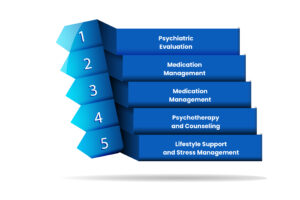
Psychiatric Evaluation
Treatment of brief psychotic disorder begins with a complete psychiatric assessment to gain knowledge of symptoms, triggers, and recent stressors. To verify the diagnosis, we closely examine the change of mood, thought patterns, and behavior. The history of medical and substance use is also crucial to the assessment. The step is essential to eliminate other ailments that show similar symptoms, as it relates to mental health disorders. A practical assessment enables us to design the appropriate therapeutic intervention.
Medication Management
DThe drugis used to decrease hallucinations, delusions and extreme confusion in the active symptoms. The antipsychotic drug can provide relief and stability on a short-term basis. To prevent side effects, we change the dosage in relation to response and tolerance. In other instances, anti-anxiety medication promotes sleep and calmness. Drug remains strictly controlled and time-bound.
Psychotherapy and Counseling
Emotional recovery is achieved with the help of therapy once the symptoms have improved. Stress, fear or trauma that might cause the episode is processed with the help of talk therapy. We are targeted at the development of coping skills and emotional balance. Therapy also enhances insight into fears of relapsing. Frequent meetings encourage self-esteem and composure.
Lifestyle Support and Stress Management
Stress reduction is significant in the recovery process. Sleep, diet, and regular activities are the factors that keep the brain stable. Deep breathing and mindfulness are relaxation methods that control anxiety. We promote the elimination of alcohol and drug abuse. Mini lifestyle modifications reinforce long-term psychological health.
Family Instruction and Care
The family influence enhances healing and emotional security. Education assists the loved ones in knowing the symptoms and warning signs. Encouraging communication eliminates hostility at home. Families are taught how to react to stressful situations. A high level of support reduces the risk of relapse and develops trust.
End Note
Mental health conditions can feel confusing and overwhelming, but clear information and timely care make a real difference. When symptoms start affecting daily life, work, or relationships, seeking professional support becomes an essential step toward stability and recovery. A proper psychiatric evaluation helps identify the condition accurately and guides the right treatment plan.
With medication management, therapy support, and ongoing monitoring, many people experience symptom relief and improved quality of life. At MAVA Behavioral Health, we focus on compassionate care, clear communication, and evidence-based treatment options. Whether support happens through telehealth or in-person visits, consistent care helps build confidence, emotional balance, and long-term mental wellness.
FAQs
What causes mental health disorders?
Mental health conditions often develop due to a mix of genetic, biological, psychological, and environmental factors.
Can medication help manage symptoms?
Yes, medication helps reduce symptoms and improve daily functioning when used under professional guidance.
Is telehealth effective for mental health treatment?
Telehealth offers convenient and effective access to psychiatric evaluations and medication management.
How long does treatment take?
Treatment duration varies based on symptoms, diagnosis, and individual response to care.
When should someone seek professional help?
Professional help becomes important when symptoms interfere with daily life, emotions, or relationships.