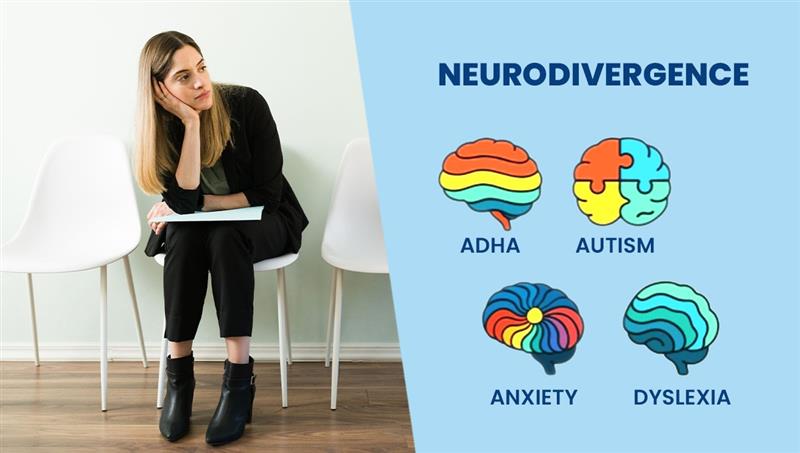

Neurodevelopmental disorders, including ADHD and Autism, influence the way individuals think, learn and approach the world. Due to similar symptoms, many people and families are unable to distinguish between the two conditions. Nonetheless, ADHD and Autism possess some peculiarities that should be properly comprehended and supported.
Awareness of ADHD and Autism enables parents, adults, and caregivers to provide more effective guidance and comprehensive support. Early awareness also enables individuals to develop healthy coping mechanisms, improve communication, and better deal with day-to-day issues.
What Is the Difference Between ADHD and Autism?
ADHD and autism have effects on how the brain develops, but the effects are different on behavior. The primary impacts of ADHD are on attention and impulse control. Individuals who have ADHD tend to be restless, easily distracted and disorganized. They can initiate numerous tasks and struggle to accomplish them.
Autism primarily impacts communication, social interaction and behavior patterns. Individuals affected by autism tend to be routine and do not like abrupt changes. Their social cues, eye contact, or emotional interpretation may be problematic. Whereas ADHD focuses on attention and activity, autism focuses on communication and social interaction.
ADHD and Autism Symptoms
ADHD Symptoms
- Difficulty focusing on tasks
- Frequent distraction
- Impulsive behavior
- Restlessness or constant movement
- Trouble staying organized
- Difficulty completing tasks
Autism Symptoms
- Difficulty with social interaction
- Limited eye contact
- Preference for routines
- Repetitive behaviors
- Sensitivity to sounds, lights, or touch
- Difficulty understanding social cues
How to Parent a Child with ADHD and Autism?
Autistic children and ADHD children should be handled with patience, understanding, and constant guidance. Changes in loudness or complicated instructions usually overwhelm children with such conditions. Parents can contribute to it by establishing effective schedules and straightforward day-to-day plans. An orderly setting will make the children feel secure and minimize distress.
Open communication and positive reinforcement have to be encouraged by the parents as well. Straightforward communication, reassuring responses, and affirming expressions may enhance a child’s self-esteem. Play therapy, structured learning, and emotional support activities help children develop social skills and enhance self-control.
Autism Vs ADHD In Females
Females with ADHD and Autism usually appear different compared to males. Most ADHD girls are not hyperactive, but seem quiet, distracted or sensitive. They might have problems with organization, time management, and concentration and attempt to conceal them.
Females might also exhibit autism in less obvious ways. Most girls are taught to imitate social behavior to fit in with their peers. They can experience post-social interaction fatigue because they are always trying to hide their plight. Professional evaluation is therefore of great importance, as this masking often delays diagnosis.
How To Get Tested for ADHD and Autism as an Adult?
Autism and ADHD Together in Adults
ADHD and autism characteristics co-occur in many adults. This combination may affect concentration, emotional control, communication, and routine activities. The adults can have difficulties in organizing work, relationships, and sensitivity. Professional assessment is used to determine the two disorders and provide the right support and intervention.
Autism and ADHD Test
A competent ADHD and autism test will often involve interviews, behavioral tests, and psychological tests. The questions the doctors or mental health specialists pose relate to childhood behavior, attention patterns, and social interactions. Such tests enable practitioners to gain insights into the effects of symptoms in real-life situations and into proper diagnosis.
Adults with High-Functioning Autism and ADHD
There are adults with high-functioning autism and with ADHD who can cope with work, education, and social life, yet are still subjected to hidden challenges. They could have overloaded senses, attention issues, or social disorientation. Early assessment helps them identify their strengths and weaknesses and develop plans to succeed.
Difference Between Autism and ADHD
Communication style, patterns of behavior, and control of focus are the major differences between autism and ADHD. ADHD is concerned with attention problems, impulsive behavior and hyperactivity. Autism is characterized by communication difficulties, repetitive behaviors, and a fondness for routines.
Nevertheless, the two conditions might also share common features, including emotional regulation problems, attention deficits, and social problems. Due to this overlap, professional assessment is important in determining the right condition.
Treatment of Autism and ADHD
Medication Management
Medication can help manage certain symptoms of ADHD and autism. Doctors may recommend medication to improve focus, reduce hyperactivity, or manage anxiety and mood changes. Each treatment plan depends on the individual’s symptoms and health condition. Regular check-ups help doctors adjust the dosage if needed.
Social Skills Training
Social skills training helps individuals improve communication and interaction with others. Therapists guide them to understand body language, conversation patterns, and emotional responses. Role-playing activities help practice real-life social situations. This training helps children and adults build friendships and improve relationships. Over time, individuals gain more confidence in social environments.
Parent and Family Support
Parents and family members play an important role in the treatment process. Support programs teach families how to create structured routines and positive home environments. Parents learn techniques to manage behavior challenges calmly and effectively. Family education helps everyone better understand the condition. A supportive home environment improves emotional stability and daily functioning.
Educational and Lifestyle Support
Educational and lifestyle support helps individuals manage learning and daily routines. Structured schedules, clear instructions, and organized environments improve focus and productivity. Schools and workplaces may provide accommodations to support learning and performance. Healthy sleep habits, physical activity, and balanced nutrition also support brain function. These lifestyle adjustments help individuals maintain long-term stability and growth.
Final Thoughts
Understanding ADHD and Autism helps individuals and families respond to challenges with knowledge and empathy. Both conditions affect brain development, but they also bring unique strengths such as creativity, deep focus, and strong problem-solving abilities. When people understand these conditions, they can create supportive environments that encourage growth and confidence.
Early evaluation, supportive parenting, and professional guidance help children and adults improve their daily lives. At MAVA Behavioral Health, individuals can receive professional care and treatment through medication, along with expert guidance. With proper awareness, medical support, and the right treatment plan, people with ADHD or Autism can succeed in education, careers, and relationships.