

Living with debilitating anxiety feels like carrying a heavy weight every day. Simple tasks, like leaving the house, talking to people, or going to work, can feel impossible. The mind stays on high alert, and the body reacts with panic, a fast heartbeat, or tension, even when there is no real danger. These intense feelings do not go away easily and often make daily life overwhelming. But help is available. With the right support, therapy, and healthy coping strategies, people can manage their anxiety and regain control of their lives. At MAVA Behavioral Health, we provide compassionate care and personalized treatment plans to guide you or your loved ones toward relief, confidence, and a calmer, more balanced life.
What Is Debilitating Anxiety?
Debilitating anxiety is a very powerful type of anxiety that causes life to be difficult daily. An individual can experience extreme fear or worry or panic most of the time. Even matters as simple as going outside, speaking to people, or making some choices are extremely stressful. The mind remains alert, and the body might respond to it by giving a rapid heartbeat, sweating, trembling, or difficulty in breathing. Such emotions are not easily eradicated, and they do not feel in control.
This form of anxiety may make a person unable to lead a normal life. Work, school, relationships, and basic routines are overwhelming. An individual can shun places, circumstances, or individuals in fear. They could also be fatigued, stressed, or unable to rest. Suffocating anxiety is not just a normal concern, but it seems to be very strong and persistent, and this complicates life.
Debilitating Anxiety Symptoms
The symptoms of debilitating anxiety are the following:
- Perpetual anxiety that can be difficult to manage.
- Frightening tendency despite the lack of a threat.
- Rapid heart rate or chest pains.
- Difficulty breathing or dyspnea.
- Restless or unable to relax.
- Having difficulty in concentrating or thinking clearly.
- Experiencing the overload of simple everyday chores.
- Fearing to be in places, with people, or in situations.
- Panic attacks or sudden intense terror.
Debilitating Anxiety Examples
The following are the sample debilitating anxieties:
- Missing work or school due to fear, which is overwhelming.
- Panic attacks prior to speaking in front of others.
- Sensation of not being able to drive due to accident fear.
- Wasting a whole night due to worrying of the mind.
- Extreme fear of being in a crowd, such as malls or buses.
- Making sick calls frequently due to feeling too anxious to cope.
- Fear to talk on phone calls or messages.
- Shaken or immobilized in a stressful situation.
- Bolting out of public places due to the onset of panic.
How to help someone with debilitating anxiety?
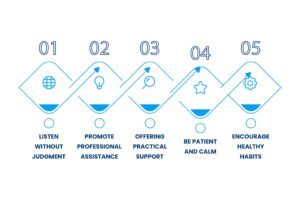
Listen Without Judgment
Listen to the individual and allow her/him to express herself. Do not say such things as just calm down, stop worrying. Demonstrate tolerance and patience. In other cases, listening is enough to alleviate stress. Make them understand that their feelings are not unreal and unworthy.
Promote Professional Assistance
Tactfully recommend visiting an anxiety specialist therapist or counselor. Coping mechanisms and treatment can be provided through professional advice. Volunteer to assist in resource searching or to escort them in case they are feeling shy. Discuss that there is nothing wrong with seeking help and it does not imply weakness. Help them to make the initial steps.
Offering Practical Support
Assistance in performing daily duties that seem difficult such as shopping or appointments. Divide tasks into small easy manageable steps. Visit frequently but not too pushy. Basic help might alleviate stress and demonstrate concern. Inform them that they are not the only ones to deal with responsibilities.
Be Patient and Calm
It might require time to overcome the feeling of anxiety and thus be patient. Do not urge or criticize them. Maintain a composed demeanor, and your coolness will be able to make them feel safe. Grassroot rewards. Appreciate small achievements. Trust and comfort are developed through continuous patience.
Encourage Healthy Habits
Anxiety reducing routines, such as exercising, sleeping, and balanced meals. Light motivation of mindfulness, breathing, or relaxation may be helpful. Do not take oneself too seriously, that stress might raise. Healthy lifestyles make the body and mind strong. Regular good habits may lessen anxiety causes.
How To Help Someone with Debilitating Anxiety?
When dealing with a person who is debilitatingly anxious, be a good listener and demonstrate empathy without passing judgment on the emotion. Get them to seek professional assistance and aid when it comes to day-to-day activities or appointments. Encourage good habits, relaxing presence and reinforcing, soothing them out of their stress, assuring them that they are safe.
- Be a good listener without judging or criticizing.
- Be empathetic and allow them to air out emotions.
- Help with daily tasks which can be overwhelming.
- Divide large tasks into small manageable tasks.
- Be patient, maintain a composed demeanor.
- Do not force them or rush them to get better.
- Be a regular check-in/check-out person.
Debilitating Anxiety Treatment
How to treat debilitating anxiety? Physicians can use drugs to ease severe symptoms and contribute to therapy. Exercising, good sleep, and mindfulness are examples of healthy lifestyle habits which can relax the mind and body. The good support system and addressing fears slowly also contribute to overcoming anxiety in the course of time.
Medication
Physicians can prescribe such drugs as anti-anxiety medications or anti-depressants. These assist in balancing the chemicals in the brain, which influence mood and stress. Drug treatment might lessen severe symptoms and enhance treatment. It is important to take the advice of a doctor and watch outside effects. Medication is usually combined with therapy, which provides the most effective results.
Lifestyle Changes
Positive lifestyles lower anxiety levels automatically. Mental health is supported through regular exercise, good sleep and nutrition. Deep breathing or meditation, or mindfulness relaxes the body and the mind. It can also be prevented by avoiding too much caffeine, alcohol or stress. Minor repeated changes may result in a significant difference in the long term.
Support System
Comfort and encouragement come through family, friends or support groups. Sharing with a friend helps to alleviate loneliness. Peers can exchange tips and coping experiences. The awareness that other people know assists in gaining confidence. Support increases resilience and helps in recovery.
Gradual Exposure
Addressing fears through small manageable bits will decrease avoidance. Begin with a situation that is not as stressful and proceed bit by bit to more challenging situations. Professional-guided exposure therapy is quite effective. It conditions the mind to be more secure during overtime. Fear and anxiety reactions are reduced by practice.
Final Thoughts
Anxiety is debilitating and overwhelming, but it can be managed with proper support and methods. This can be achieved by knowing the symptoms and examples to be able to know when anxiety is more than normal worry. The use of therapy, medication, lifestyle change and support network is all significant in the treatment of anxiety.
A large sum of small steps, patiently waiting and being consistent can work in the long run. In case your or their debilitating anxiety is hard to overcome, seeking assistance is a good and powerful measure. MAVA Behavioral Health is a facility that provides mental health services through kind treatment, expert counseling, and custom solutions. You do not need to grapple with anxiety alone, with the proper assistance, you can recover and even get through with the daily life. MAVA Behavioral Health is the one that is willing to support you throughout the process.
FAQs
What is debilitating anxiety?
Debilitating anxiety is extreme fear or worry that makes daily life very hard. It affects work, school, relationships, and basic routines.
What are common symptoms of debilitating anxiety?
Symptoms include constant worry, panic attacks, fast heartbeat, trouble sleeping, avoiding people or places, and feeling overwhelmed by simple tasks.
What causes debilitating anxiety?
It can be caused by genetics, stressful life events, brain chemistry, or a combination of factors. Sometimes, the cause is not clear.
Can someone fully recover from debilitating anxiety?
Yes, with the right support and treatment, many people learn to manage anxiety and live normal, fulfilling lives.
How can I help a loved one with debilitating anxiety?
Listen patiently, avoid judgment, encourage professional help, assist with daily tasks, and provide calm, consistent support.